Insights
AI, logistics, and digital transformation for Australian operators.
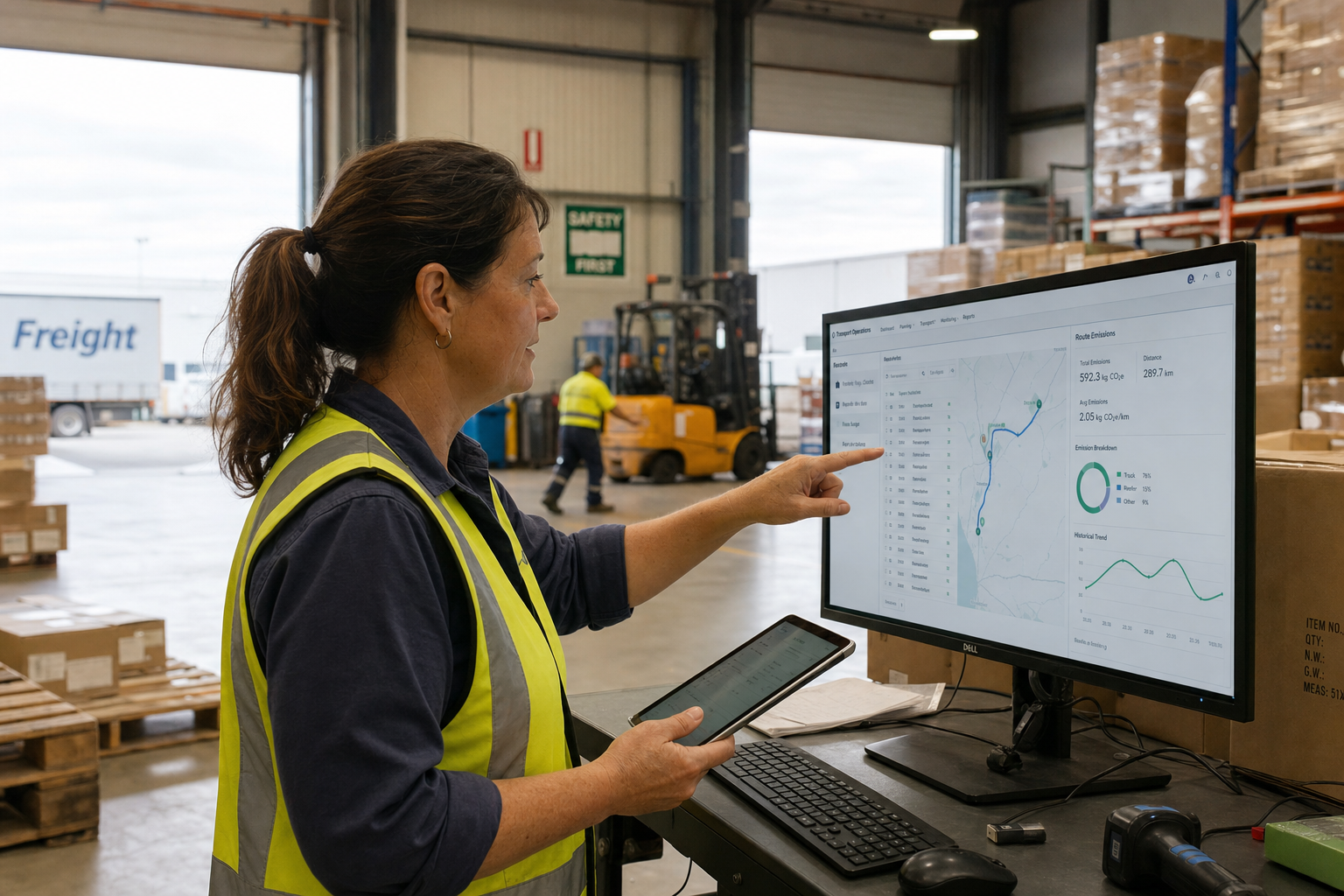
AASB S2 Compliance for Logistics Operators: A Practical Guide
AASB S2 requires Australian logistics operators to disclose Scope 1, 2, and 3 emissions with audit-ready data trails — and most legacy TMS and WMS systems weren't built for it. This guide covers what compliance actually requires, why Scope 3 is the hardest part, and how to build the data infrastructure to get there.

AI for Australian Manufacturing: 5 Use Cases That Work
Australian manufacturers are deploying production AI across five use cases today: predictive maintenance, computer vision quality inspection, document AI for compliance, demand forecasting, and procurement automation. This practitioner overview covers what makes each use case work in production — and where each one fails — for CTOs and engineering leaders evaluating where to start.

Automated Driver Communication for Australian Logistics Operations
Automated driver communication is becoming a core operational capability for Australian transport operators — covering roster alerts, real-time route updates, digital proof of delivery, and NHVR compliance prompts. This article explains what it actually covers, what it depends on, and how to stage the rollout without over-investing in tools your systems can't yet support.

AI Consulting Melbourne: How to Evaluate an AI Consultancy
Evaluating an AI consultancy in Australia comes down to a few concrete questions: who actually does the work, do they have production deployments, and can they speak to Australian Privacy Principles compliance. This guide gives business leaders a practical framework for assessing fit, asking the right questions, and understanding how mid-market AI engagements are typically structured.

Fractional CTO Services in Melbourne and Australia
A fractional CTO is a senior technology executive who works with your business on a part-time retainer basis — providing strategic leadership and architecture oversight without the cost of a full-time hire. This guide covers how fractional CTO engagements work in the Australian market, what they typically cost, and how to decide whether one is right for your business.

RAG Implementation Consulting: How It Works and When to Use It
Retrieval-Augmented Generation (RAG) is an LLM architecture pattern that grounds model output in retrieved documents at inference time — making it one of the most practical approaches for enterprise knowledge retrieval. This article explains how RAG works, when it is preferable to fine-tuning, and what a production-grade implementation actually involves, including Australian data sovereignty considerations.
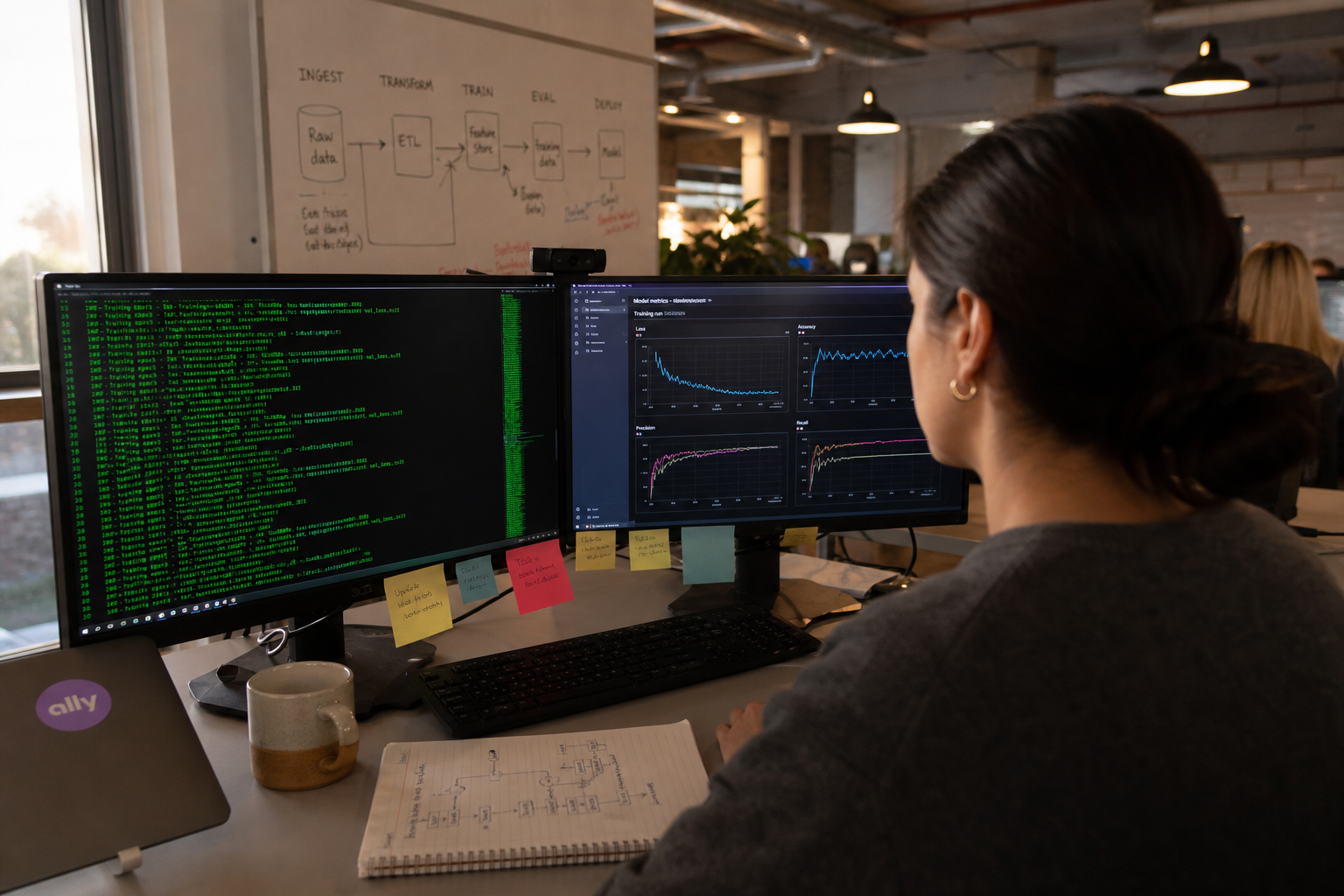
MLOps Consulting in Australia: From Notebook to Production
MLOps consulting helps Australian engineering teams close the gap between a model that works in a notebook and one that reliably runs in production. This guide covers the MLOps maturity model, five core capabilities, tooling options including MLflow, Kubeflow, SageMaker, and Vertex AI, and the Australian data residency and privacy obligations that affect how ML pipelines should be architected.

Custom AI Agent Development: Architecture and Use Cases
AI agents are autonomous software systems that plan, use tools, and execute multi-step tasks — a significant step beyond standard LLM calls. This guide covers the core architectural patterns, industry use cases, data prerequisites, and what a responsible commissioning process looks like for teams considering custom AI agent development.

Context Engineering for LLM Apps: Beyond Prompt Templates
Prompt templates are where LLM applications start. Context engineering is what makes them work reliably in production. This article covers the four core levers — retrieval, compression, memory, and ordering — and how to build a context pipeline that produces consistent, cost-efficient model behaviour at scale.