Insights
AI, logistics, and digital transformation for Australian operators.

AI Product Strategy: A Practical Guide for Australian Companies
A practical guide to AI product strategy for Australian mid-market companies — covering frameworks for identifying AI value, structuring a strategy engagement, common failure modes, and what to look for when selecting an external partner.
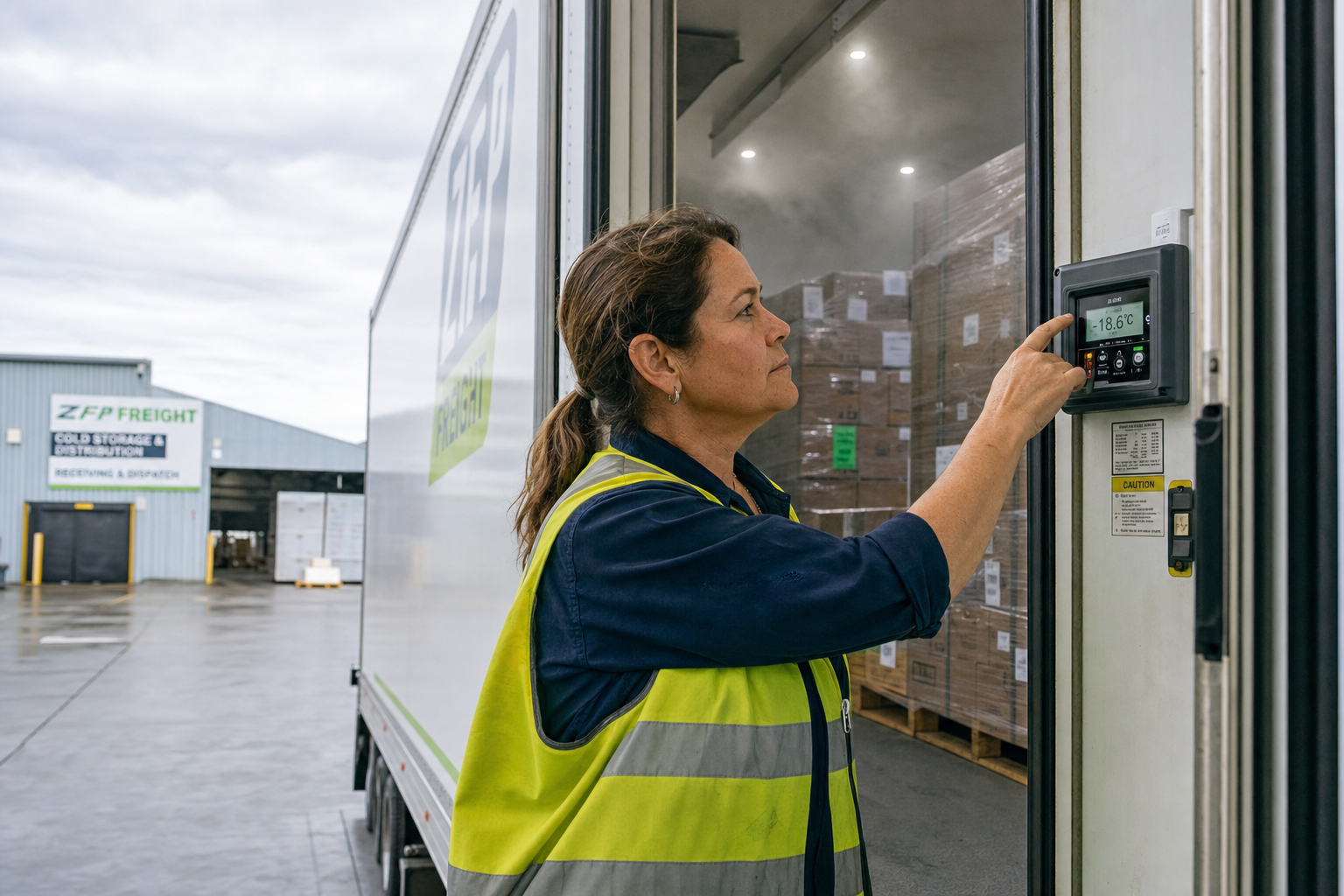
Cold Chain Monitoring AI: Temperature Control for Australian Logistics
AI-powered cold chain monitoring is shifting Australian logistics operators from reactive incident reports to real-time, predictive temperature control. This guide covers how the technology works, what FSANZ and TGA standards require, and how to evaluate whether an investment makes sense for your operation.

AI Document Intelligence for Australian Logistics
Document intelligence automates the extraction, validation, and routing of logistics documents — from bills of lading to dangerous goods declarations. This guide explains how it works, what Australian compliance obligations it supports, and how to evaluate your options.

Building AI Products on Supabase, PostgreSQL and pgvector
For lean engineering teams building AI features, Supabase and PostgreSQL have become a serious default stack. This article covers why the combination works, where pgvector fits into RAG architectures, how row-level security keeps AI features production-safe, and what the trade-offs look like as you scale.

Snowflake vs BigQuery for Australian Mid-Market Data Platforms
Snowflake and BigQuery are the two dominant cloud data warehouses for mid-market teams in Australia, but the right choice depends on your cloud estate, data-residency obligations, cost profile, and AI roadmap. This guide cuts through the noise to help Australian data and engineering leaders make a defensible decision.

MLflow vs Weights & Biases: Experiment Tracking and Model Registry
MLflow and Weights & Biases are the two platforms most growing ML teams evaluate for experiment tracking and model registry. This guide compares them honestly across deployment model, data residency, collaboration, and production reproducibility — so you can make the right call for your team and regulatory context.

PyTorch vs TensorFlow in 2025: Choosing a Production ML Framework
PyTorch and TensorFlow are both production-capable ML frameworks in 2025, but they suit different teams, workloads, and deployment environments. This guide helps technical leaders make a defensible framework choice based on ecosystem fit, serving requirements, and team context — not benchmarks or hype.

LLM Evaluation in Production: A Three-Layer Approach
Shipping an LLM feature is the easy part. Knowing whether it still works correctly six weeks later — after a prompt change, a model version bump, or a shift in user behaviour — is where most teams struggle. This post covers a three-layer evaluation approach that gives engineering teams real confidence in production LLM systems.

AWS SageMaker vs Self-Hosted GPU Serving: Cost and Control
AWS SageMaker and self-hosted GPU serving on A100 or H100 hardware each make sense under different conditions — and the wrong choice becomes expensive quickly. This article breaks down the cost structure, operational trade-offs, and decision framework for Australian engineering teams moving ML models to production.