Insights
AI, logistics, and digital transformation for Australian operators.
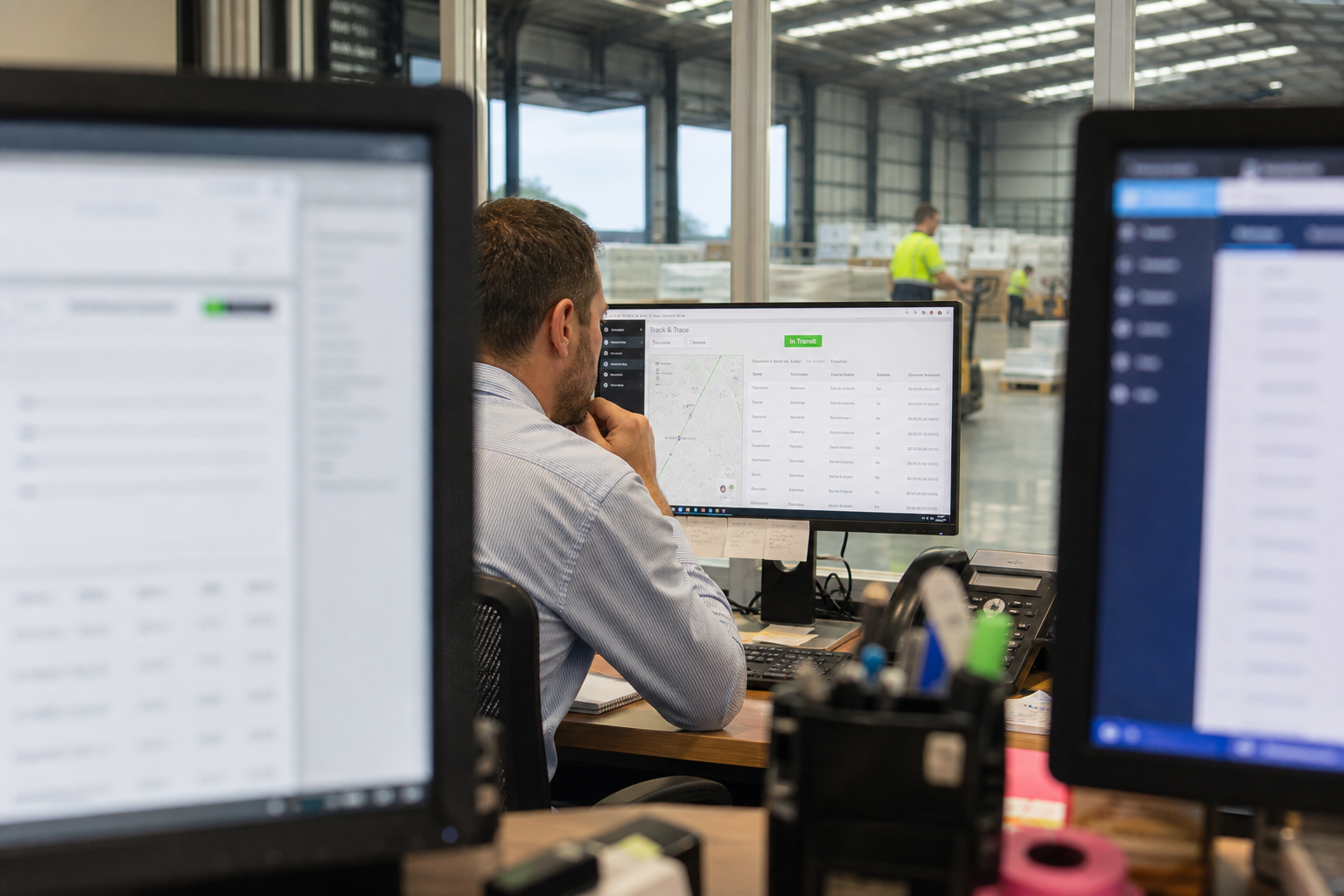
Building Customer Self-Service Portals for Freight Operations
Customer self-service portals are becoming baseline expectations for Australian freight operators. Here's how AI enhances tracking, document retrieval, quoting, booking, claims and personalisation — and what needs to happen before you build one.
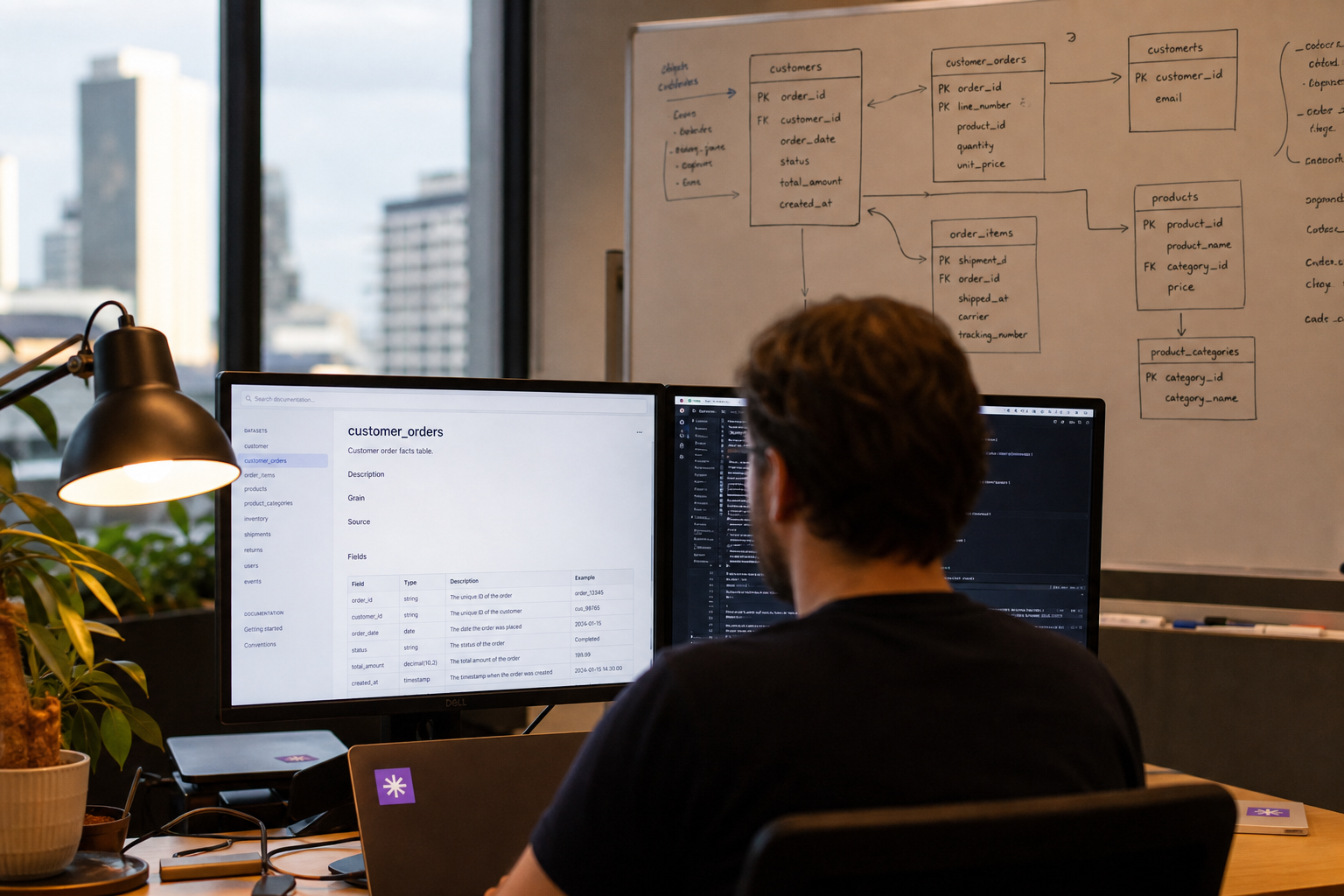
Data Product Management: Treating Datasets Like Products
Most internal datasets have no owner, no documented SLA, and no versioning discipline — which is why downstream teams stop trusting them and start duplicating them. This piece lays out a lightweight framework for treating a handful of critical datasets as products, without committing to a full data mesh rebuild.
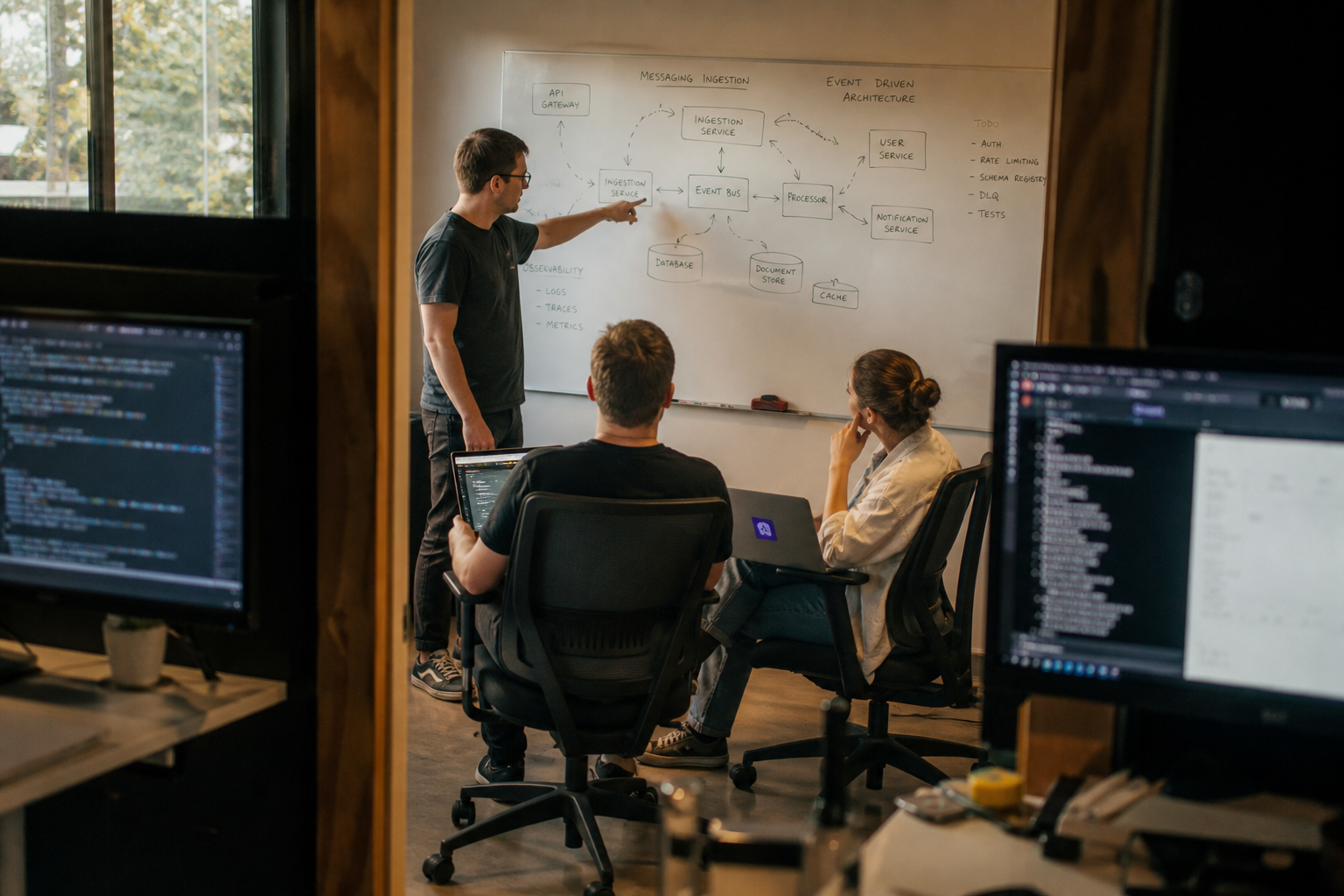
Business Continuity Planning for AI-Dependent Products
Business continuity planning for AI-dependent products means designing systems and processes so AI features keep working, in degraded form if needed, when a model provider has an outage, changes rate limits, or deprecates an API. Here's how to classify critical-path features and design failover accordingly.
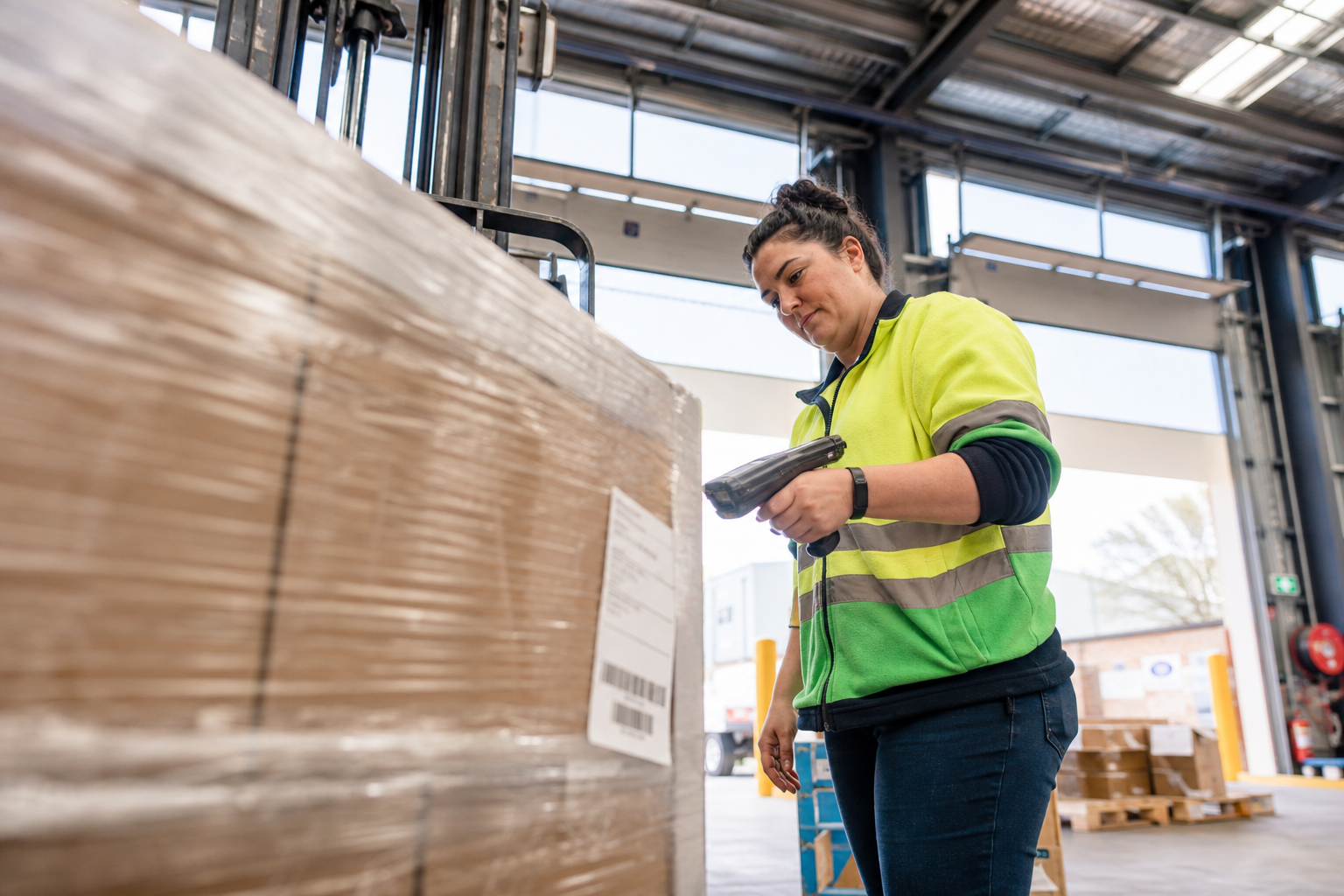
Freight Visibility Standards: GS1 and the Push for Interoperability
GS1 standards like EPCIS 2.0 and Digital Link promise a common language for freight visibility across supply chains — but for most Australian logistics operators, legacy TMS/WMS systems are the real barrier to interoperability, not the absence of a standard.
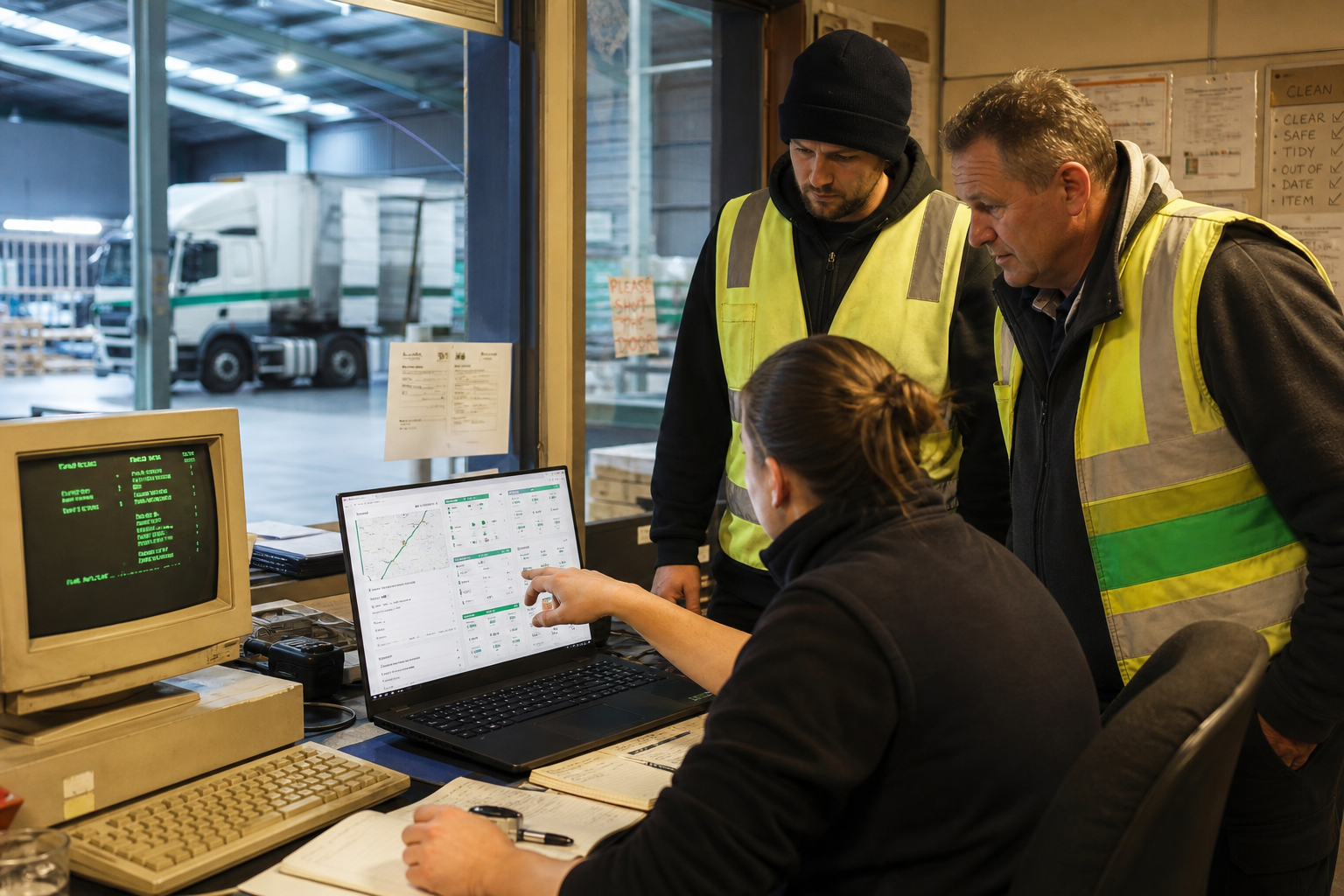
Building a Data Lake for Legacy Logistics Systems
Legacy TMS/WMS systems trap years of valuable logistics data in silos. This guide covers the practical architecture — CDC pipelines, schema evolution, data quality rules — for consolidating that data into a lake that can power reporting and AI.
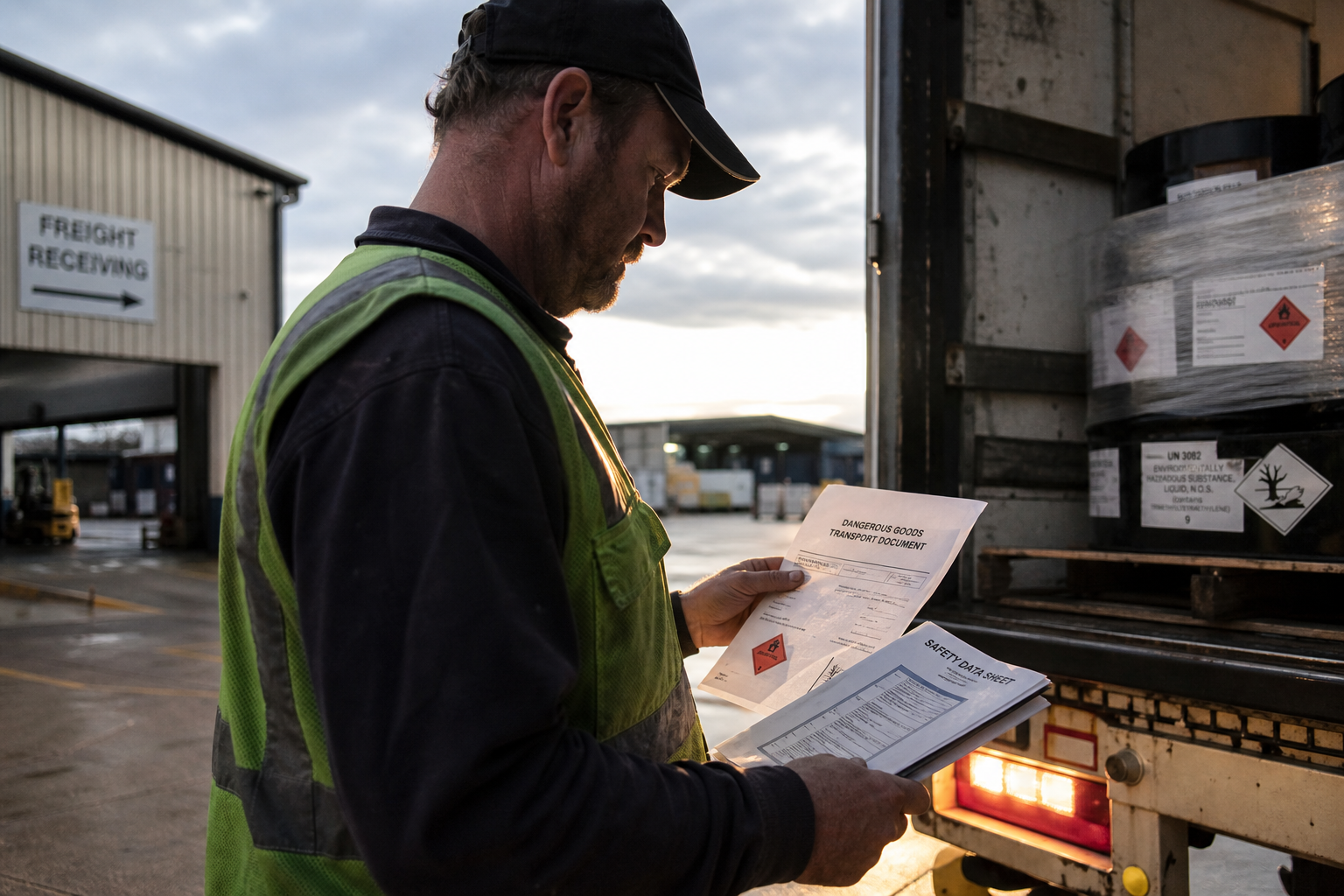
AI Classification of Dangerous Goods Documents in Australia
AI is increasingly used to extract UN numbers, parse safety data sheets, and validate dangerous goods documentation against the ADG and IMDG codes. Here's how it works and where it fits for Australian freight operators.
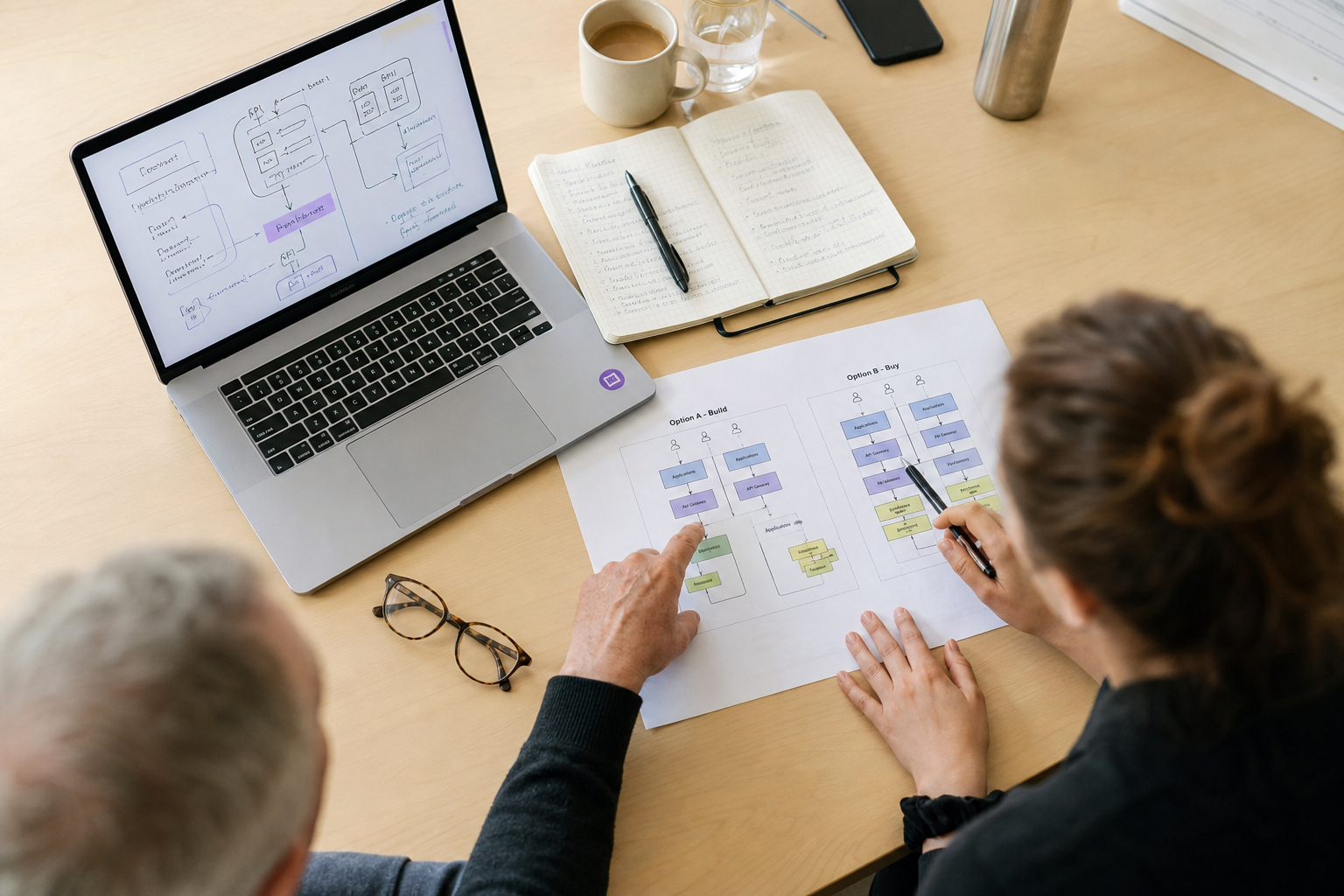
Composable Commerce vs Monolith: A Decision Guide
A practical decision guide for retail and e-commerce technology teams weighing a move from monolithic platforms to composable, headless architecture — covering flexibility, cost, team capability and common migration pitfalls.

Sustainable, Cost-Efficient Cloud Architecture for Scale-Ups
Cost-efficient cloud architecture at scale starts with governance, not infrastructure choice. This piece covers the account structure, guardrails, and cost levers that keep spend under control as engineering teams grow, and how to choose between a SaaS governance layer and an embedded consultancy model.
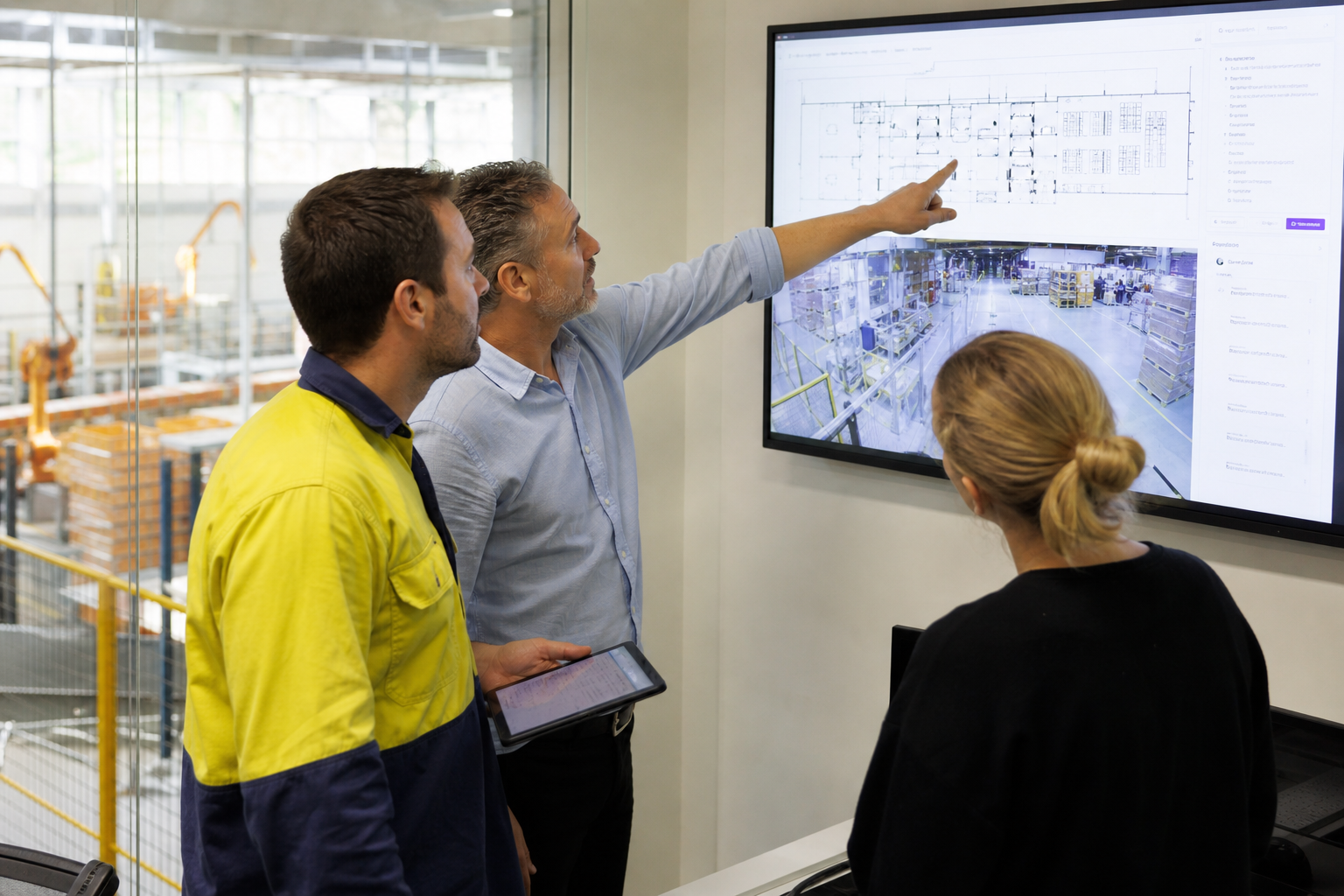
Digital Twins for Manufacturing and Logistics in Australia
Digital twins let manufacturers and logistics operators simulate changes safely and cut downtime — but only once the right sensors and data infrastructure are in place. Here's what Australian operators need before a twin becomes viable, and where AI fits in once it is.