Insights
AI, logistics, and digital transformation for Australian operators.
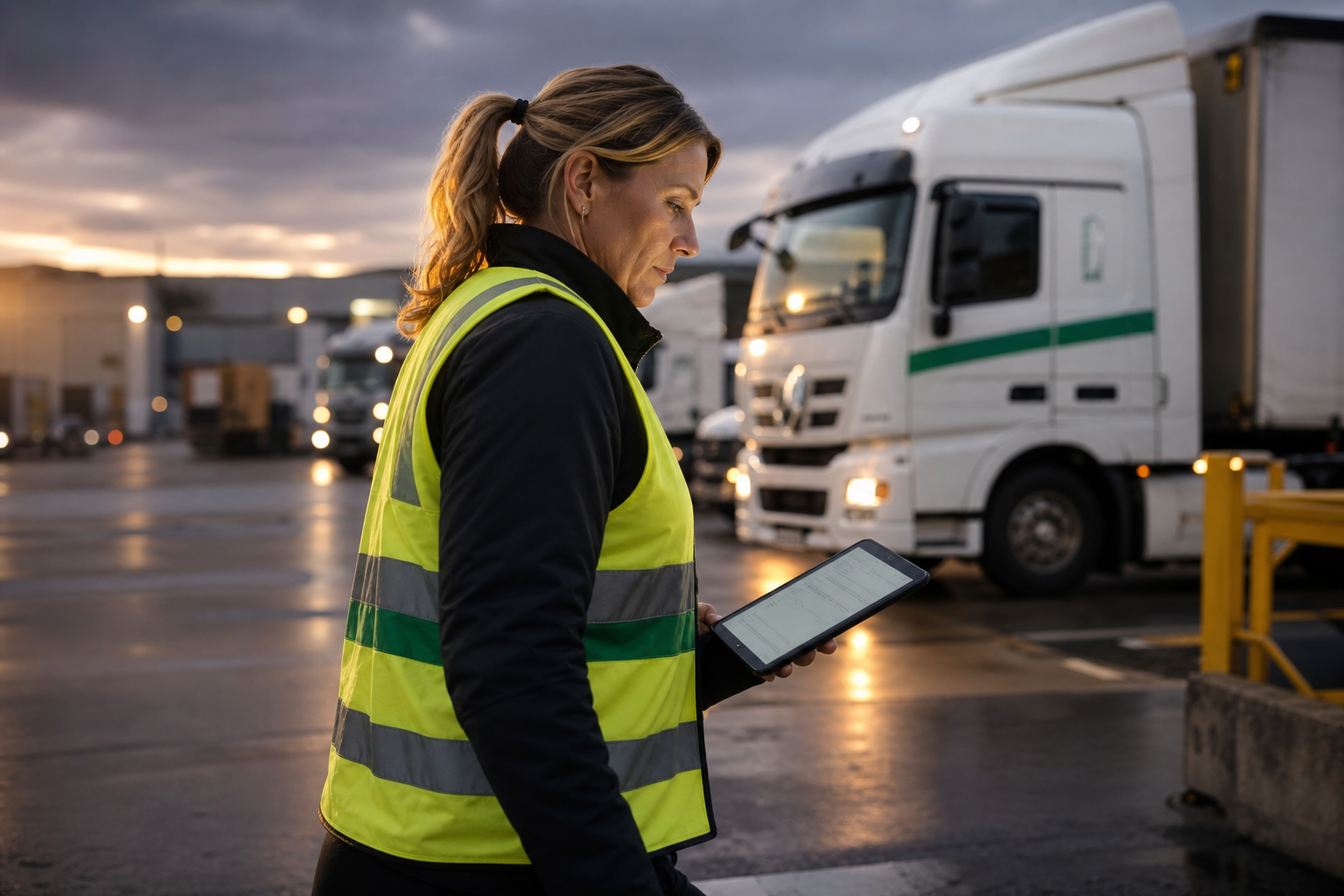
Using AI to Reduce Freight Costs: A Guide for Australian Carriers
AI-driven freight rate intelligence is becoming one of the clearest ways Australian carriers and 3PLs reduce cost-per-shipment. Here's how it works, what data it actually requires, and what has to happen first.
Data Clean Rooms for Regulated Australian Industries
Data clean rooms let regulated Australian organisations run joint analysis with partners without exposing raw records. Here's how the architecture works, and when it's worth the investment over a simpler data-sharing agreement.
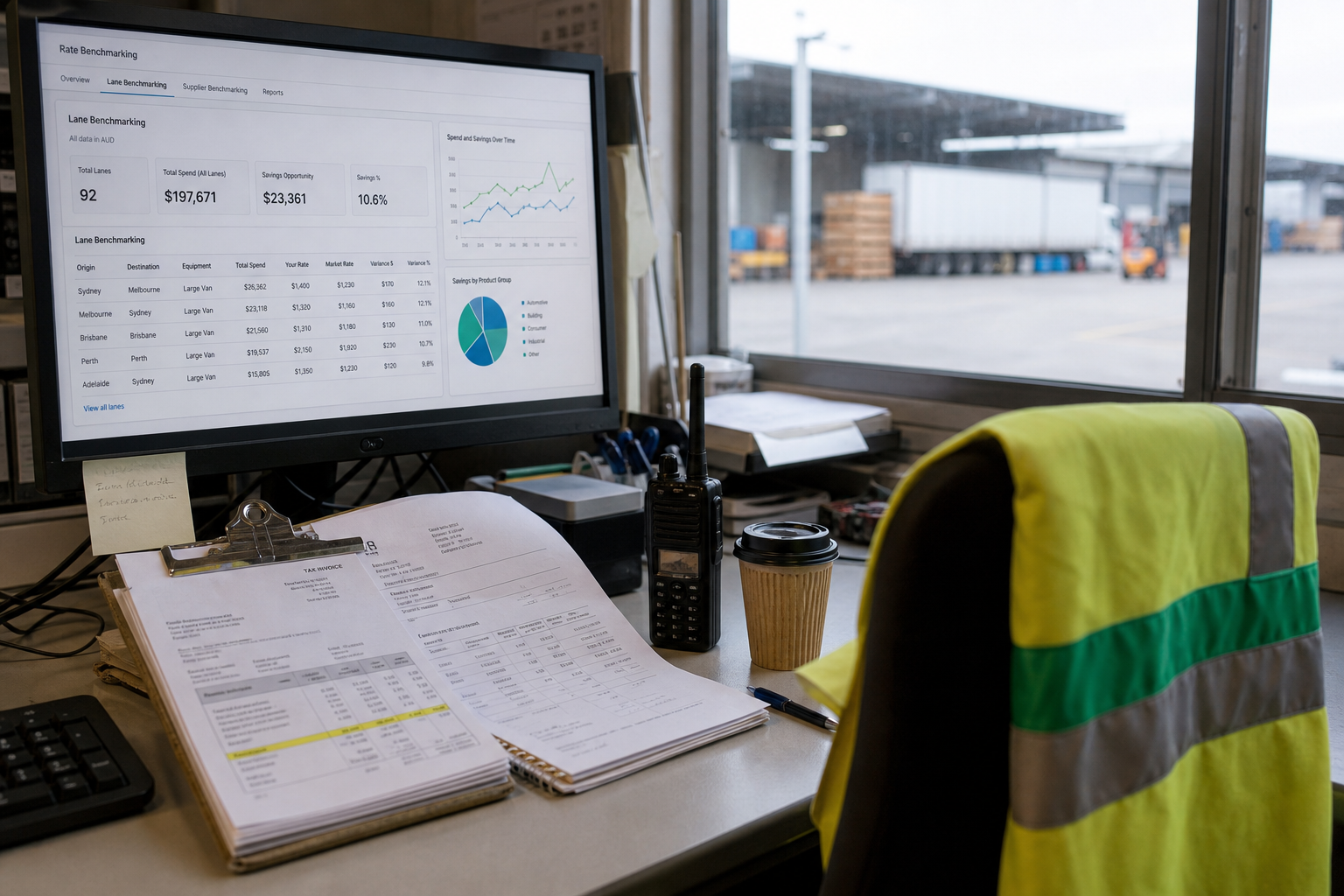
AI in Logistics: How AI Cuts Freight Cost for Australian Operators
AI reduces freight cost through four concrete mechanisms — dynamic pricing, anomaly detection, demand forecasting and negotiation support — but most commercial tools are calibrated for US freight data. Here's what that means for Australian carriers, 3PLs and warehouse operators, and what to fix first.

Healthtech Interoperability Standards for AI in Australia
A practical guide for technical leaders building AI features on Australian clinical data — covering FHIR, My Health Record integration, ADHA standards, and where TGA regulation applies before deployment.

AI Vendor Risk: Contracts, SLAs & Liability for AI Features
Embedding third-party AI into your product introduces risks that standard SaaS contracts and SLAs were never designed to cover. Here's what technology and business leaders need to check before they sign.
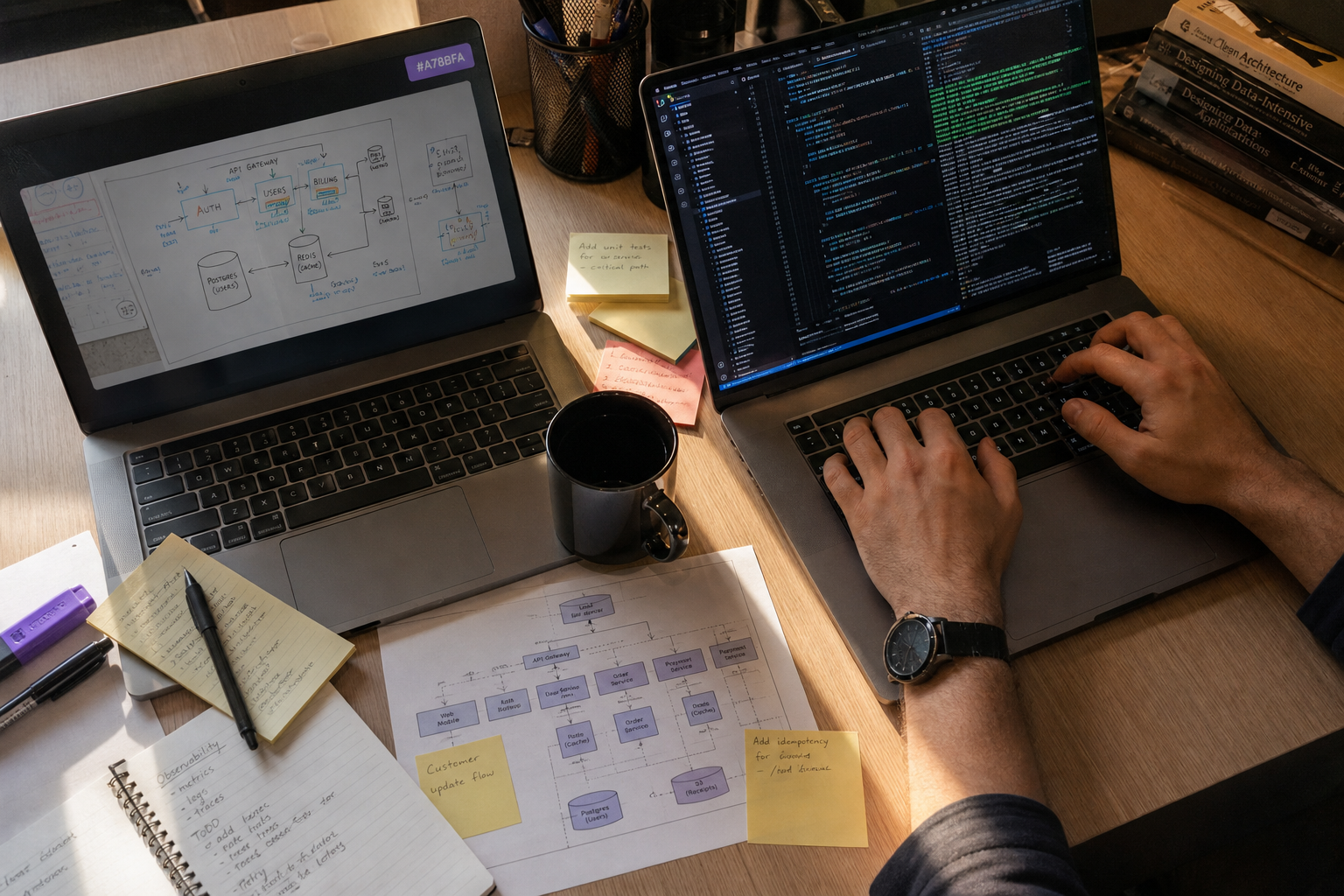
AI-Augmented Test Automation for Legacy Modernisation
AI-augmented test automation uses machine learning to generate, maintain, and prioritise software tests — a genuine accelerant for legacy modernisation, but not a substitute for human judgment on test intent. This piece sets out where AI-generated tests are reliable, where human review stays essential, and how to structure a testing strategy around both.

AI Vendor Risk Management: Contracts, SLAs & Liability
Embedding a third-party AI model changes your risk exposure in ways standard SaaS contracts don't cover. Here's what actually needs to be in the agreement — from SLAs to indemnity to data handling.

International Expansion Architecture for Australian SaaS
Expanding an Australian SaaS platform overseas means re-architecting infrastructure, data residency, tenancy, billing, and AI features together — not as a configuration change. This guide sets out the key architecture decisions and privacy obligations CTOs need to work through first.
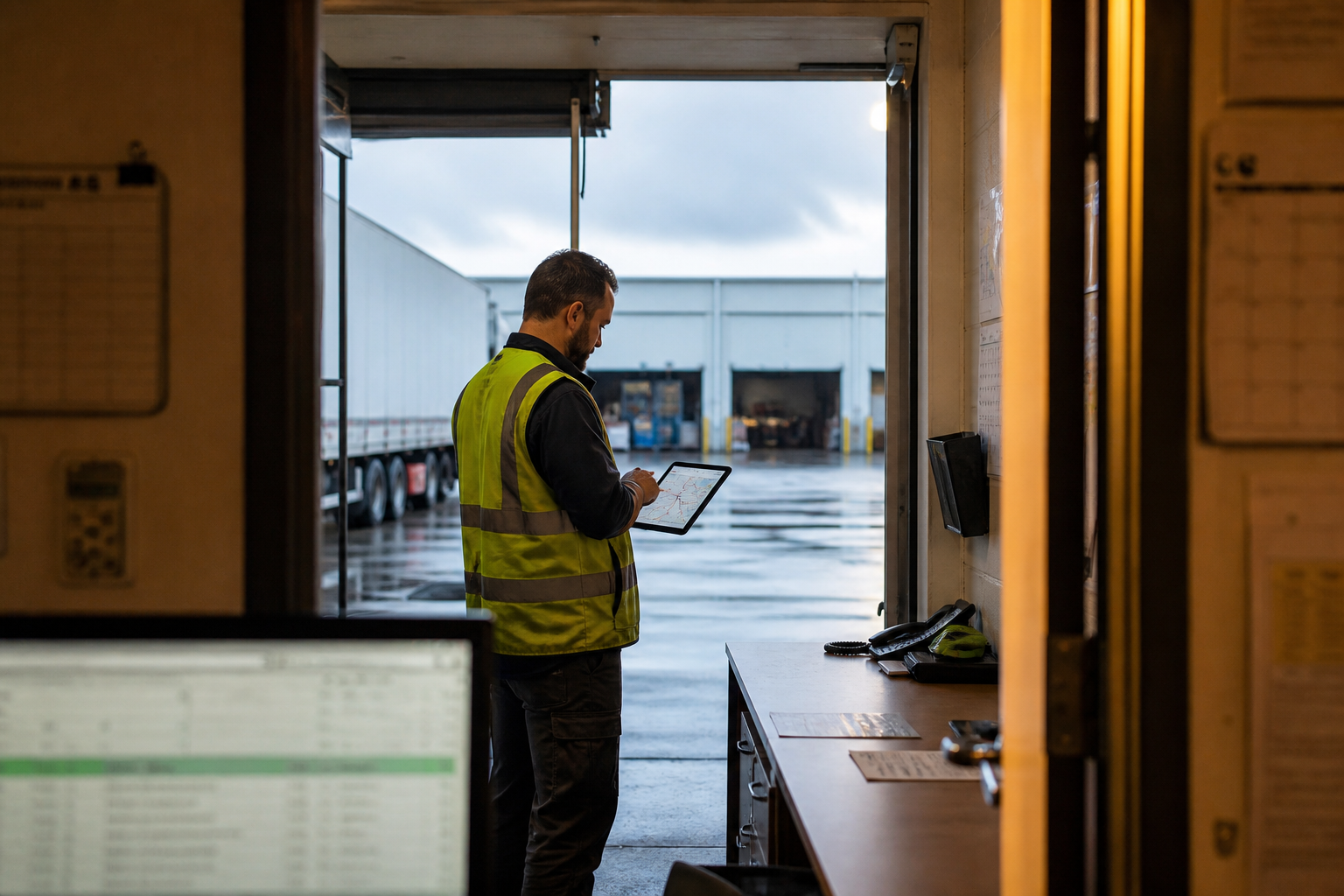
Proactive Exception Notification: AI-Driven Logistics Alerting
Proactive exception notification uses AI to flag freight delays, weather disruption, and capacity constraints before they escalate — but it only works once your TMS, WMS, and EDI data are properly integrated. Here's how the detection and mitigation pieces fit together.