Insights
AI, logistics, and digital transformation for Australian operators.
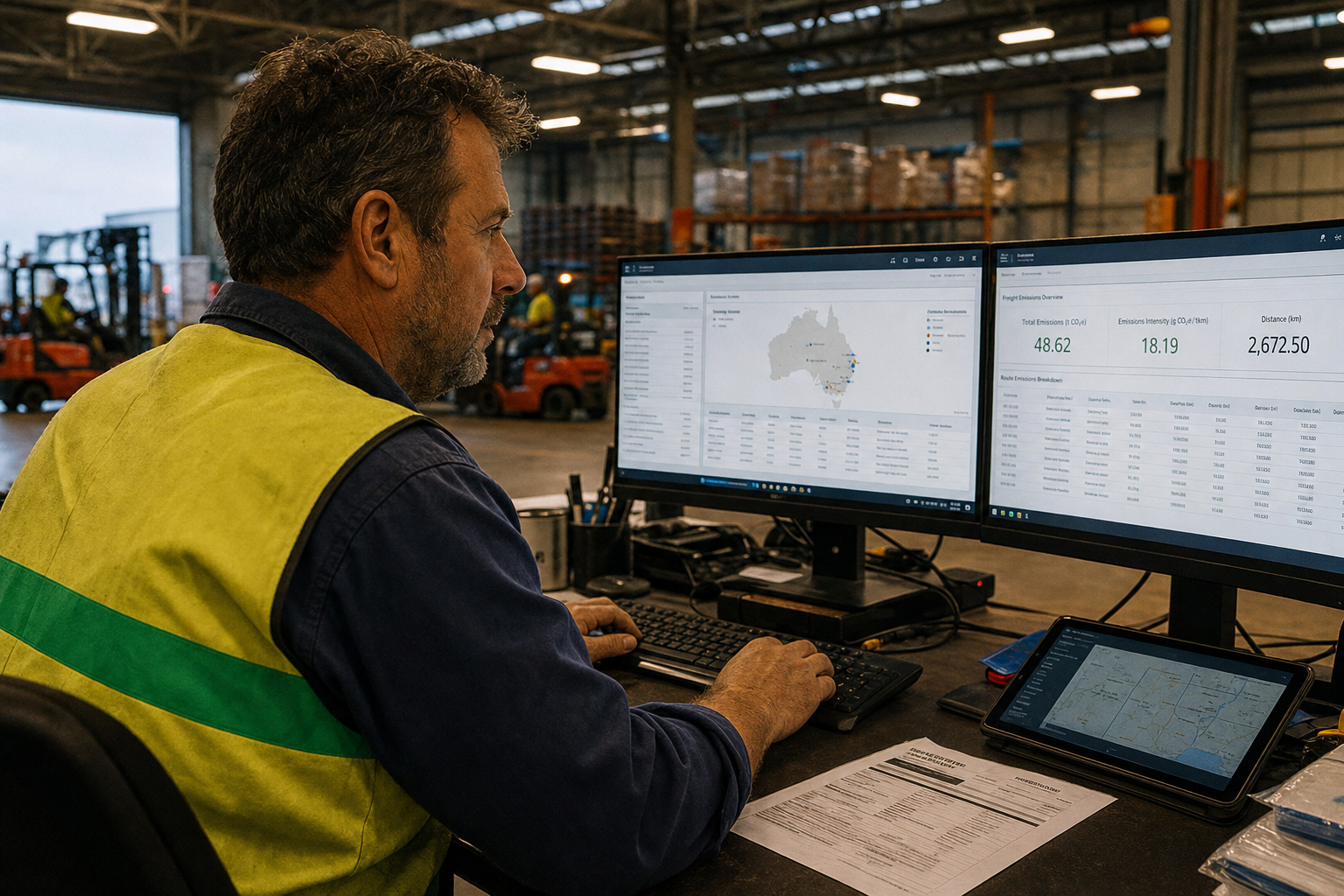
Supplier Emissions APIs: Connecting Your Supply Chain Data
Supplier emissions APIs enable Australian logistics operators to automatically exchange carbon footprint data across supply chains, making AASB S2 compliance practical. This technical guide covers API design patterns, GLEC Framework integration, and authentication strategies for 3PLs sharing emissions data with shippers.

FSANZ Compliance: AI Supply Chain Monitoring for Food Safety
AI-powered supply chain monitoring transforms FSANZ compliance for Australian food logistics operators through automated temperature logging, enhanced traceability, and predictive risk management. These systems reduce product losses by 15-25% while ensuring comprehensive food safety compliance.
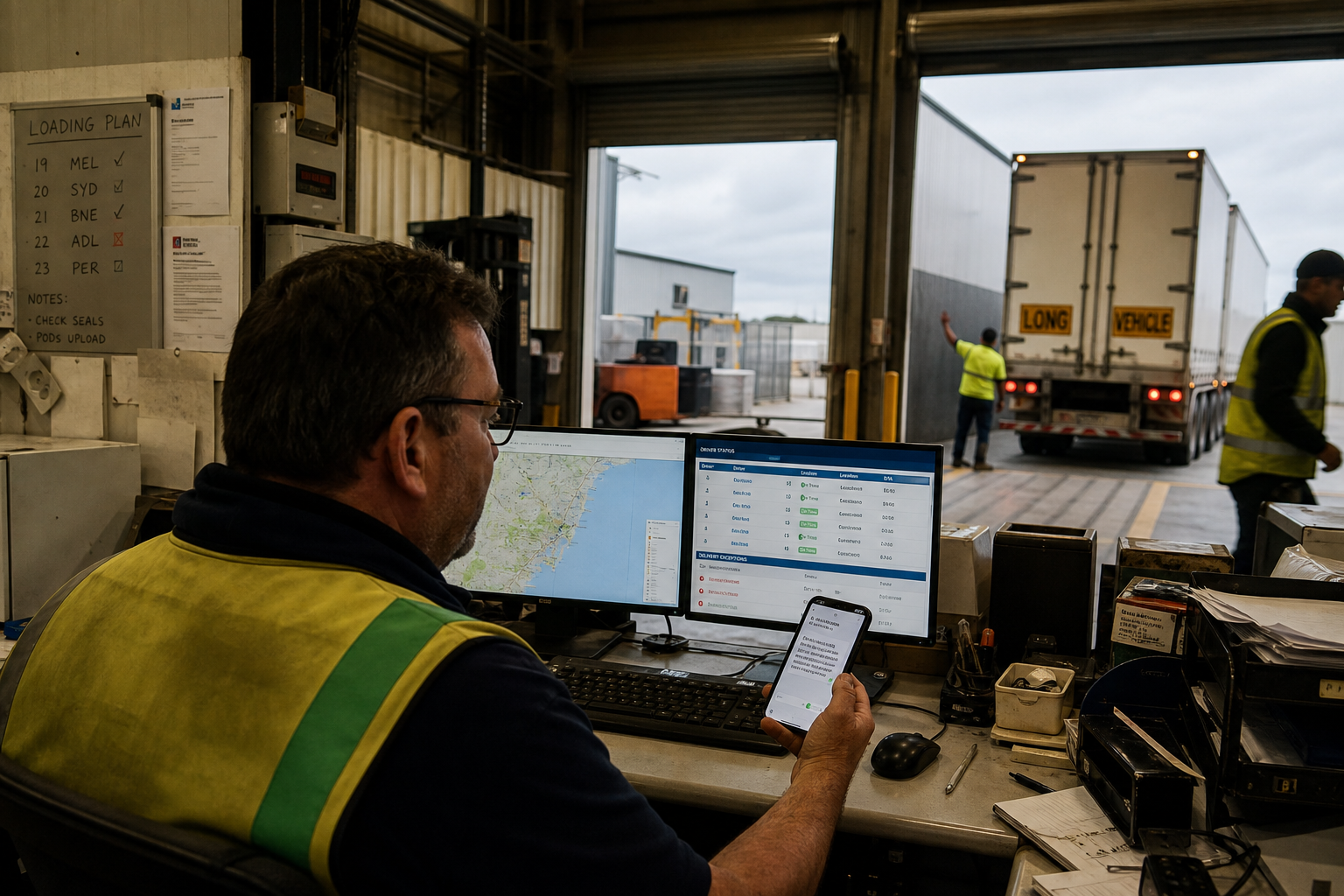
Automating Driver Communication: Manual Calls to AI Updates
Australian logistics operations waste 3-4 hours daily on manual driver communication calls. AI-powered systems eliminate this by automatically sending route changes, compliance reminders, and ETA updates through voice, SMS, and app notifications.

How to Implement AI in Your Business: A Guide for Australian Companies
A comprehensive implementation guide for Australian businesses looking to adopt AI. Covers the complete journey from discovery through operations, including team structure, budget planning, and regulatory considerations.

On-Device AI for Mobile Apps: When Edge Beats Cloud
On-device AI processes machine learning directly on mobile devices, delivering sub-100ms response times and offline functionality. This guide covers Core ML, TensorFlow Lite, model optimisation, and real-world applications for Australian mobile development.

Building Production RAG Systems: Beyond the Demo to Reliable Scale
Most RAG demos work beautifully with perfect documents and cherry-picked queries. Production RAG systems face messy reality — document diversity, edge cases, and 99%+ accuracy expectations that require systematic engineering across chunking, embedding, retrieval, and monitoring.

AI UX Design: How to Design Interfaces That Users Actually Trust
AI UX design requires fundamentally different approaches than traditional software interfaces. Learn how to build user trust through confidence indicators, transparency, and seamless human-AI collaboration workflows.

RAG vs Fine-Tuning: When to Use Each (And When You Don't Need Either)
RAG and fine-tuning serve different purposes in LLM deployment, with distinct cost, performance, and maintenance profiles. Most organisations jump to complex solutions when simple prompt engineering would suffice.

The Real Cost of AI Implementation in Australia: Budget Guide
AI implementation costs in Australia range from $25,000 for simple chatbots to $500,000+ for complex systems. Here's transparent pricing across discovery, build, and operations phases, with real budget ranges by project type.