Insights
AI, logistics, and digital transformation for Australian operators.
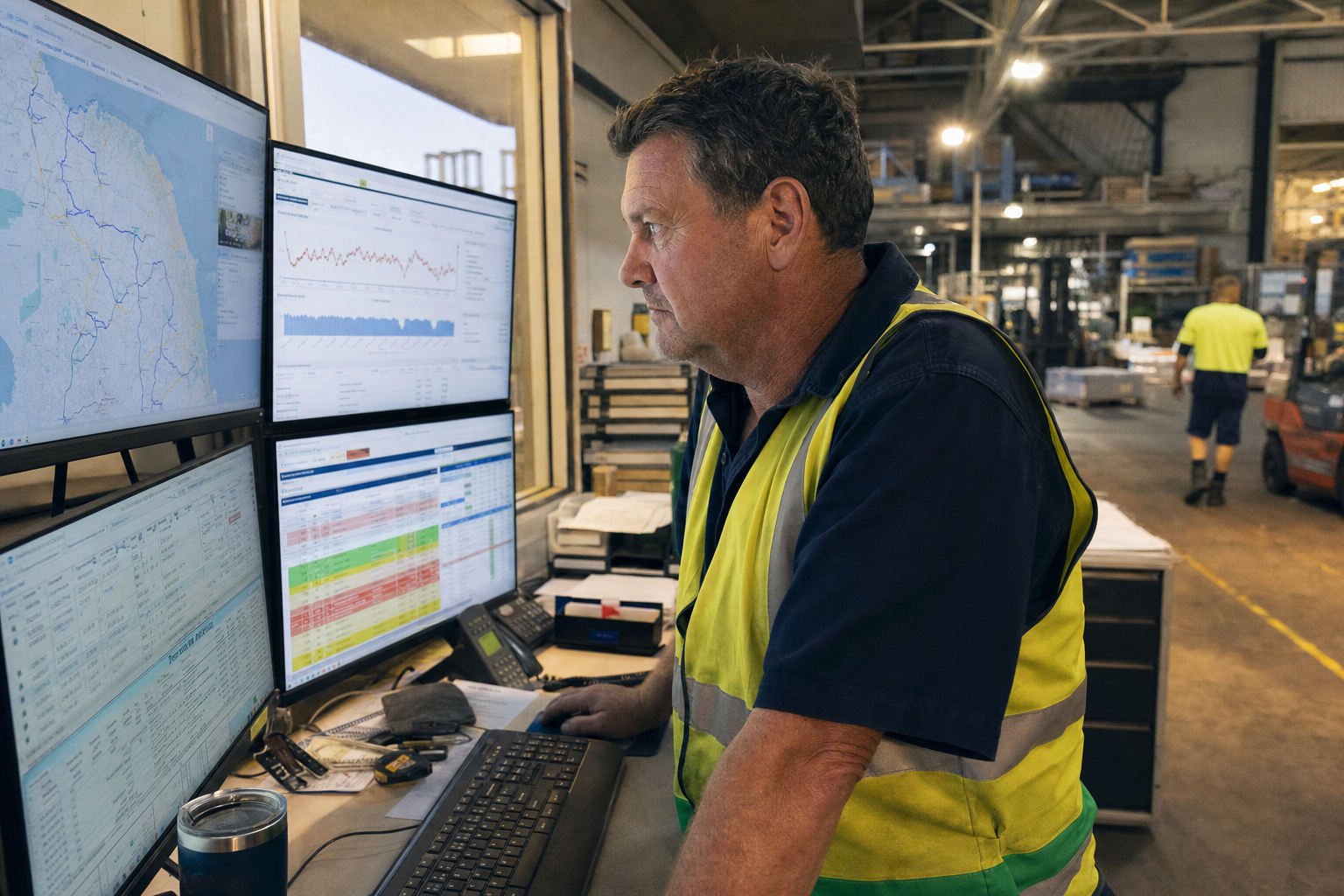
Freight Market Intelligence Automation with AI for Logistics
AI-powered freight market intelligence automation helps Australian logistics operators make better pricing, capacity, and route decisions by continuously monitoring market data in real-time. Learn how to transform reactive operations into proactive market intelligence.

Application Modernisation Services Australia: Mid-Market Guide
Application modernisation transforms legacy systems into scalable, maintainable platforms that support business growth. This comprehensive guide covers strategic approaches, technical considerations, and practical steps for Australian mid-market companies looking to modernise their applications.
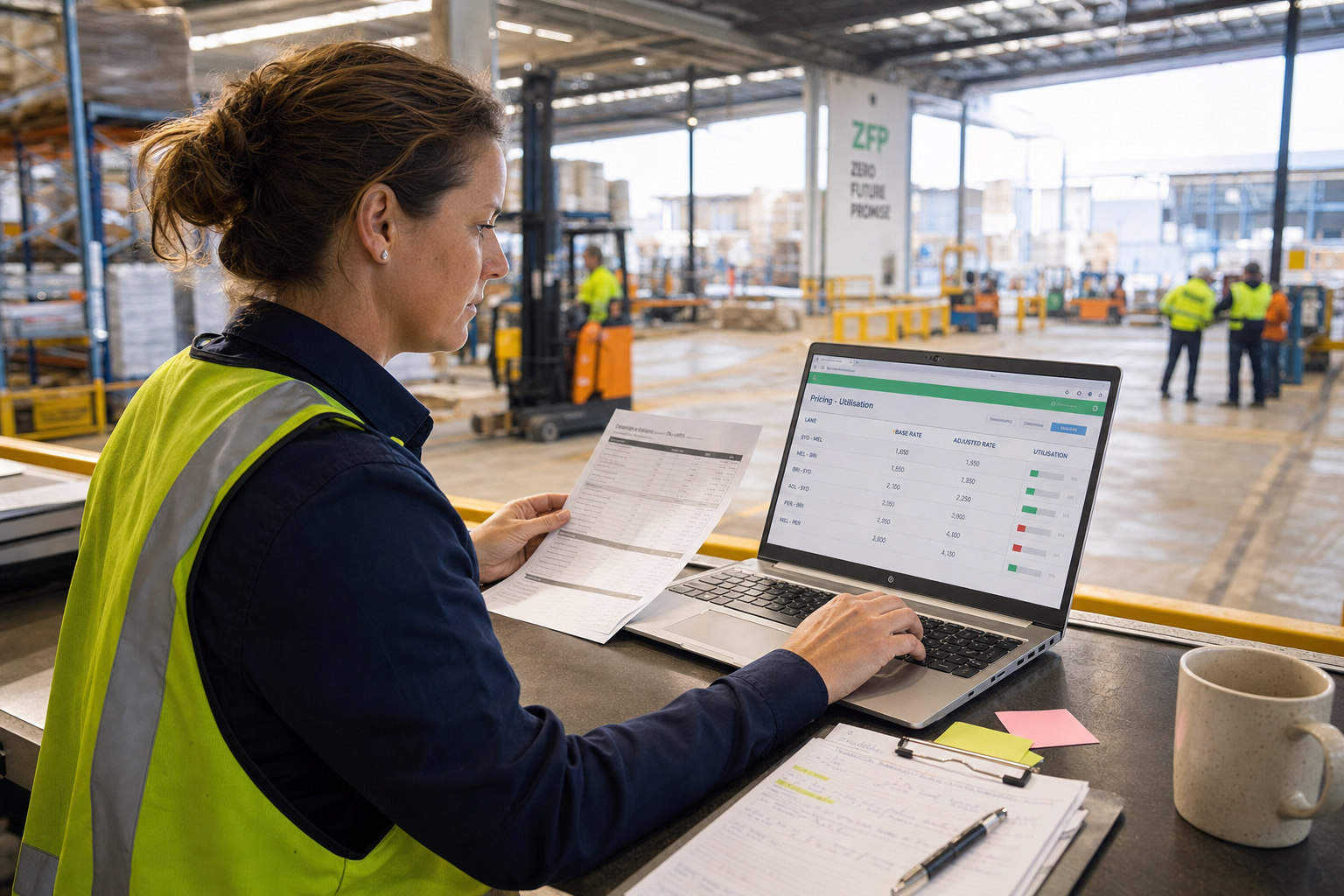
Dynamic Pricing for 3PLs: AI-Driven Rate Optimisation
AI-driven dynamic pricing helps Australian 3PLs maximise revenue by adjusting rates in real-time based on capacity, demand patterns, and market conditions. Learn how to implement systematic pricing strategies that balance profitability with competitive positioning.

AI Product Strategy Consulting Guide for Australian Companies
A comprehensive guide to AI product strategy consulting for Australian mid-market companies. Explore frameworks, methodologies, and selection criteria to help CTOs make informed decisions about AI adoption.
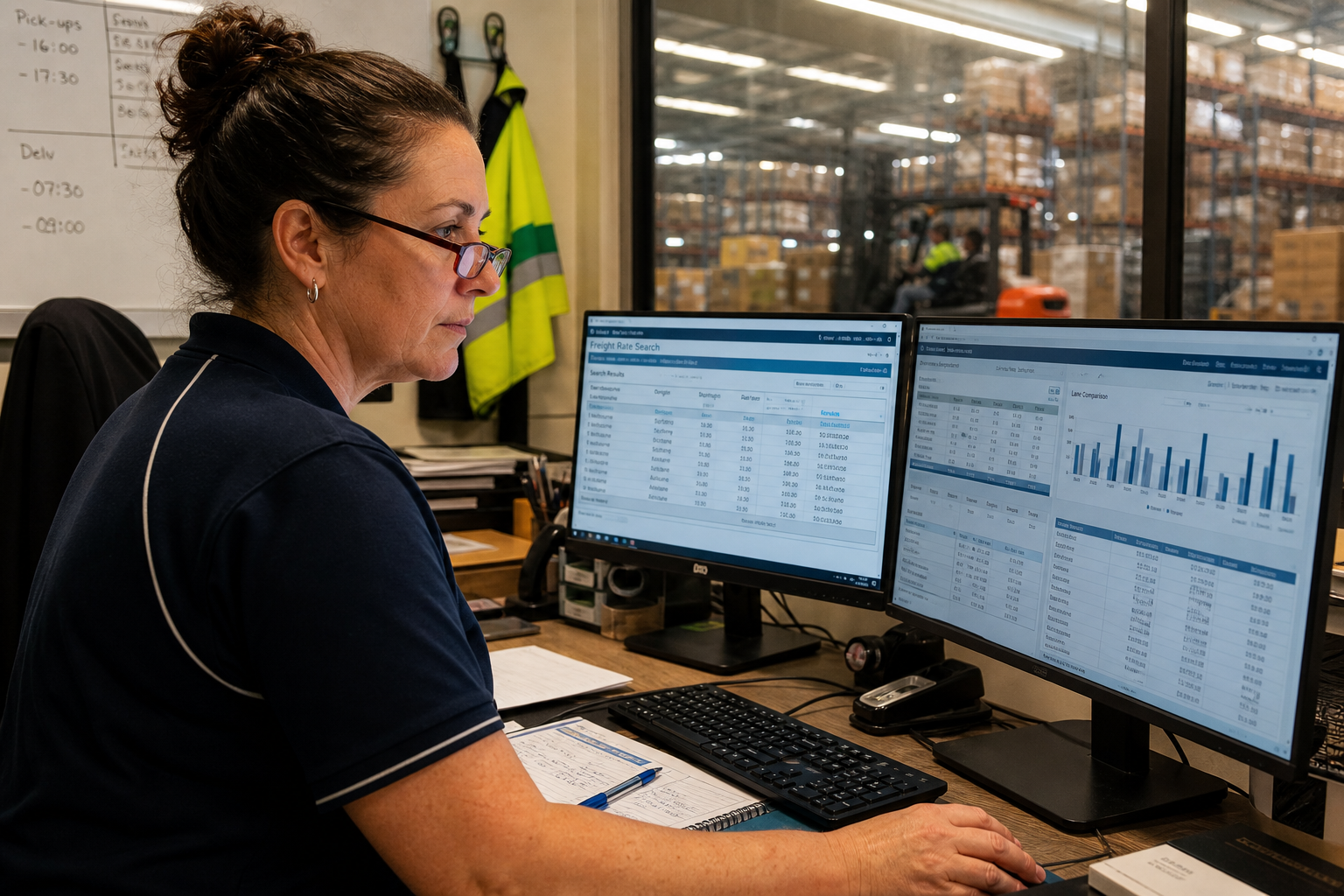
AI Rate Benchmarking Tools for Freight Procurement
AI rate benchmarking tools help Australian freight procurement teams compare carrier pricing across lanes and validate contract rates using real-time market data. These systems aggregate data from multiple sources to provide actionable insights for procurement decisions.

The AI Hype Cycle: What's Real and What Matters for Business
The AI market promises transformation but most projects fail due to unrealistic expectations. This guide examines which AI capabilities work in production versus research, helping business leaders make investment decisions based on technical reality rather than hype.
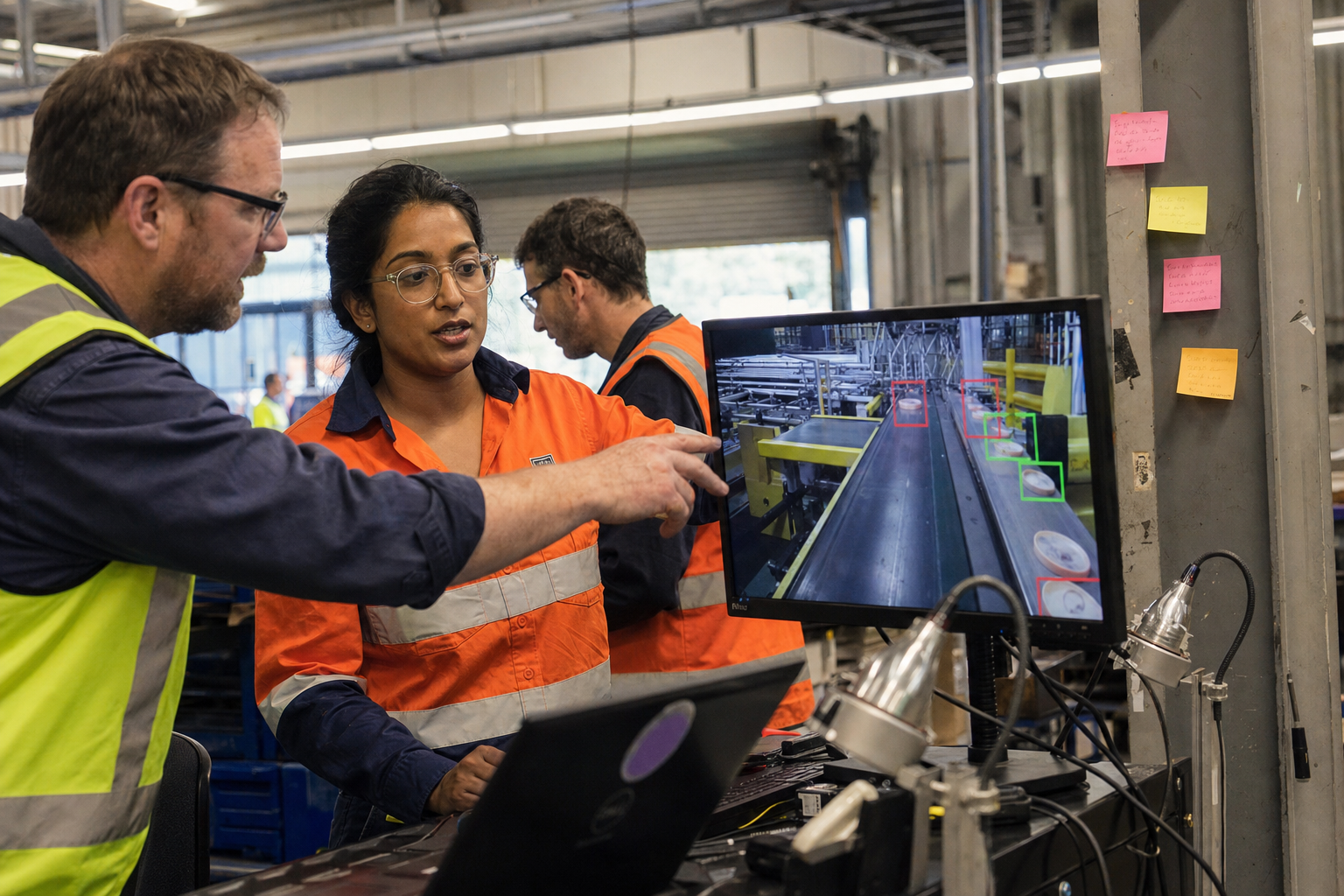
Computer Vision for Business: Beyond Facial Recognition
Computer vision transforms how Australian businesses inspect quality, count inventory, digitise documents, and monitor safety through AI automation. From manufacturing to mining, practical computer vision applications deliver measurable ROI beyond facial recognition headlines.

AI-Powered Code Generation: What It Can and Can't Do
AI coding tools like GitHub Copilot promise faster development but introduce new security and quality risks. Here's what engineering leaders need to know about safe adoption.
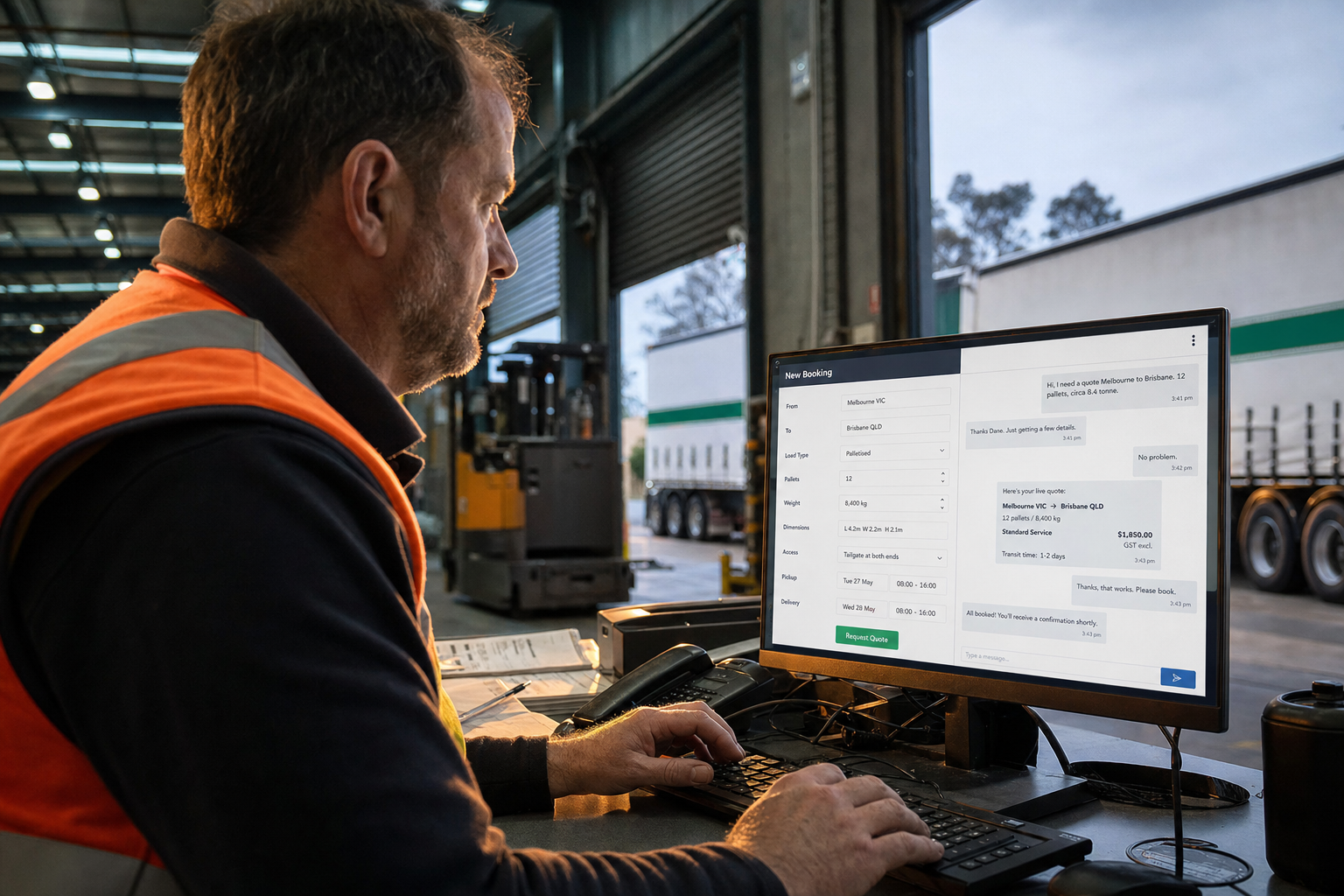
Conversational AI for Freight Enquiries: Australian Logistics Guide
Conversational AI transforms freight enquiry handling by automating quote generation, booking management, and customer interactions 24/7. Modern systems integrate with TMS/WMS platforms to provide instant responses while escalating complex requests to human operators.