Insights
AI, logistics, and digital transformation for Australian operators.
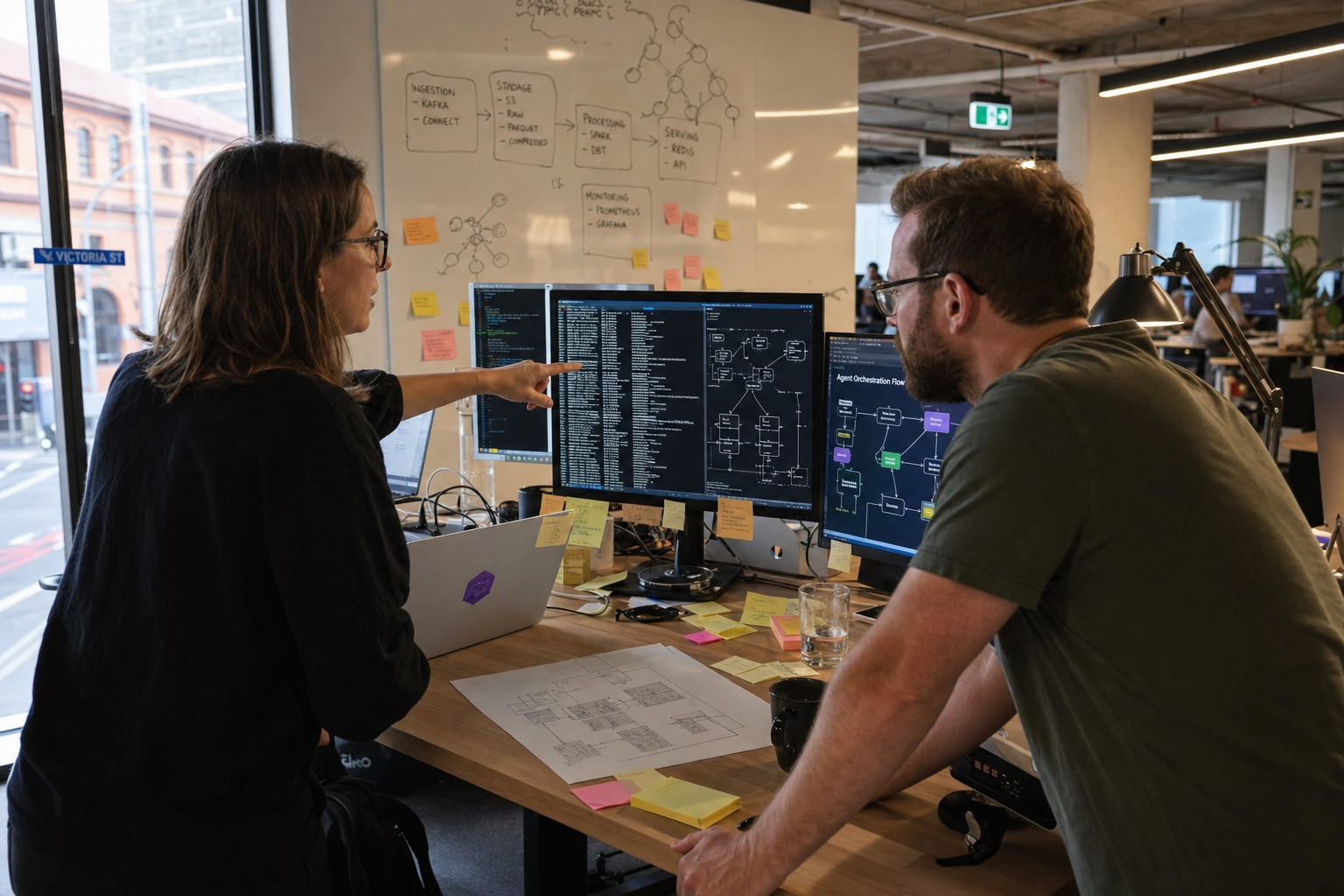
Production AI Agents: Architecture and Deployment Lessons
Production AI agents require careful orchestration, robust failure handling, and strategic human oversight. The gap between proof-of-concept and production-ready agents is significant — here's what actually works.
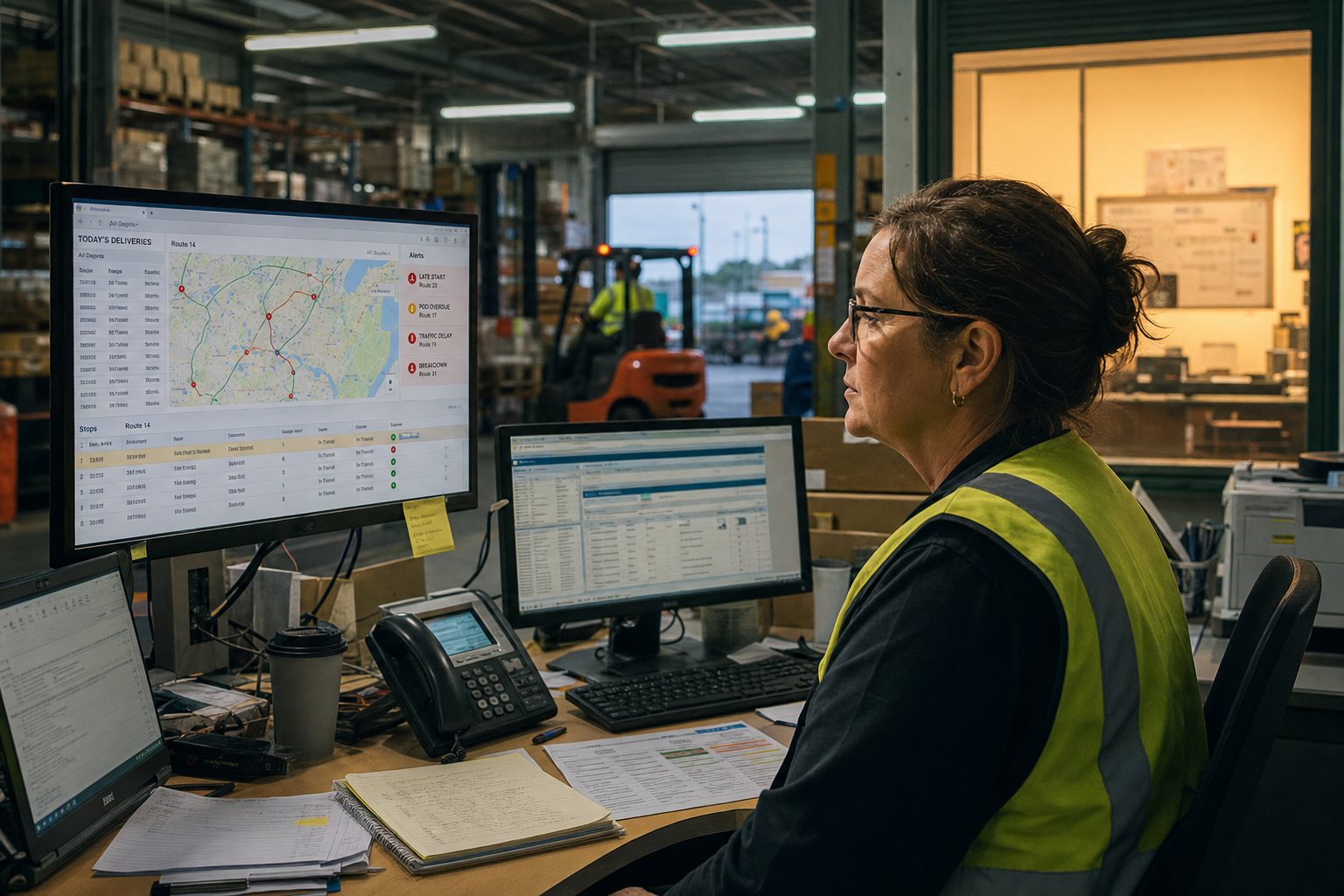
AI Exception Alerts: Preventing Logistics Disasters
AI-driven alerting systems continuously monitor logistics operations to detect potential disruptions before they cascade into costly problems. For Australian operators, proactive exception notification transforms reactive operations into predictive ones.

AI and Intellectual Property: Who Owns What When AI Generates Content?
AI-generated content creates complex ownership questions that traditional Australian IP law wasn't designed to handle. Understanding these challenges is critical for protecting investments and avoiding disputes.

SOC 2 Compliance for AI-Powered Applications: A Technical Guide
SOC 2 compliance for AI applications requires addressing traditional security controls alongside AI-specific risks like model governance and training data handling. This technical guide covers the key implementation strategies for building compliant AI systems.

Securing API Endpoints for AI Applications: OWASP Best Practices
AI APIs require layered security addressing traditional vulnerabilities and AI-specific threats like prompt injection and model extraction. Learn OWASP best practices for protecting endpoints from data breaches and service disruption.
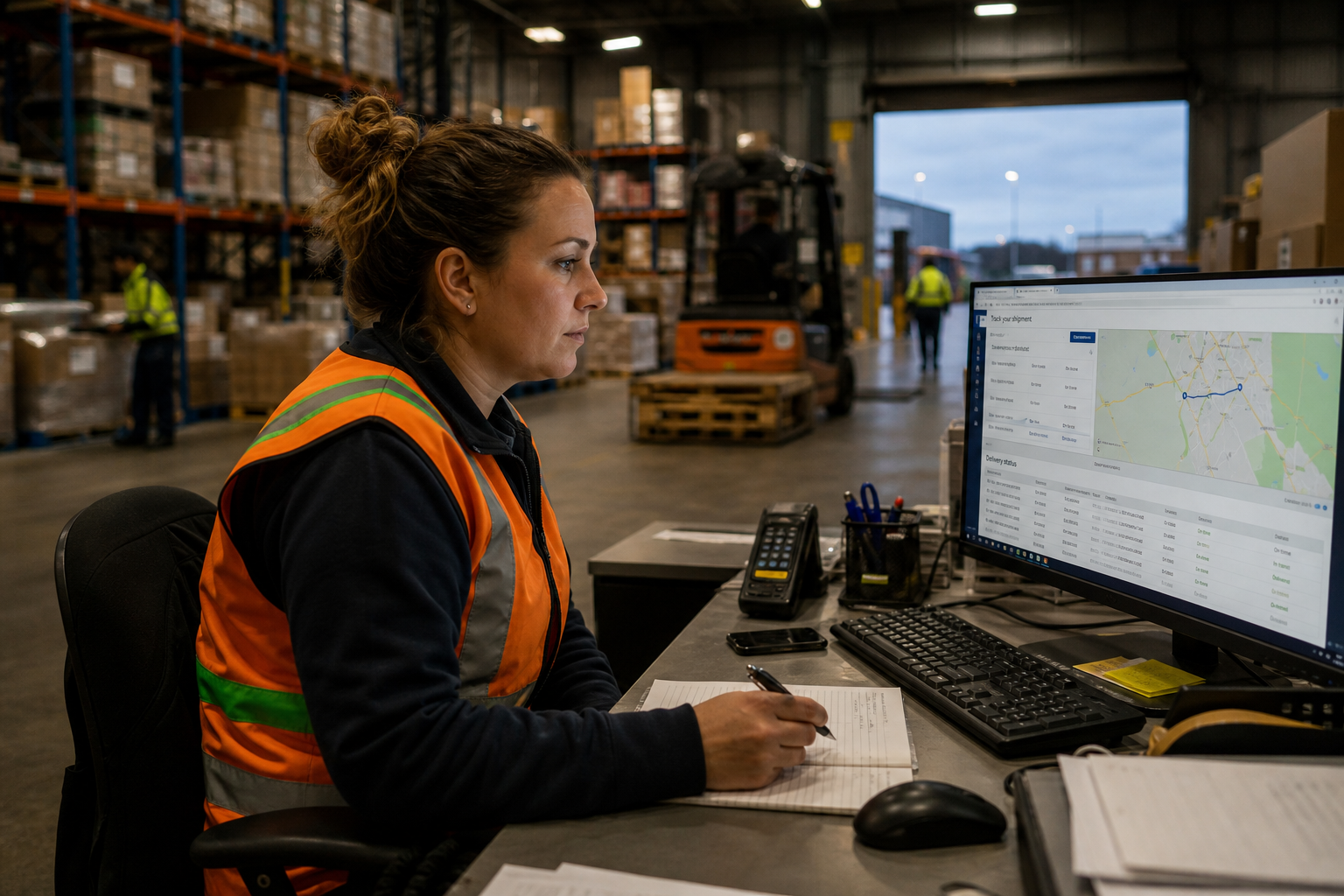
AI Self-Service Portals for Australian Freight Operations
AI-powered self-service portals transform customer experience for Australian freight operators by providing predictive tracking, intelligent document management, and personalised service recommendations. These systems reduce operational costs while meeting modern customer expectations.

Data Privacy and AI in Australia: Navigating the Privacy Act
The Australian Privacy Act applies to AI systems that handle personal information, creating specific obligations around data collection, consent, and cross-border transfers. Understanding these requirements becomes critical as organisations deploy AI capabilities and navigate upcoming privacy reforms.

AI Security: Protecting Your Models, Data, and Users
Production AI systems face unique security challenges from prompt injection to model theft. Learn how to protect your AI models, data, and users with practical security measures designed for Australian organisations.

AI Development Partnership Guide for Australian Companies
A comprehensive guide for Australian companies evaluating AI development partners, covering essential questions, evaluation criteria, and best practices for successful AI adoption. Learn what to look for when choosing the right AI development partnership.