Insights
AI, logistics, and digital transformation for Australian operators.

Building Your First Data Pipeline: A Guide for Business Leaders
A data pipeline is an automated system that moves data from various sources, transforms it, and delivers it where your business needs it. Understanding data pipelines is crucial for business leaders because they form the foundation for reporting, analytics, and AI initiatives.

Data Warehouse vs Data Lake vs Lakehouse: Which One Do You Need?
Choosing the right data architecture — warehouse, lake, or lakehouse — can make or break your AI initiatives. Each approach serves different needs and impacts your ability to build AI-powered features.
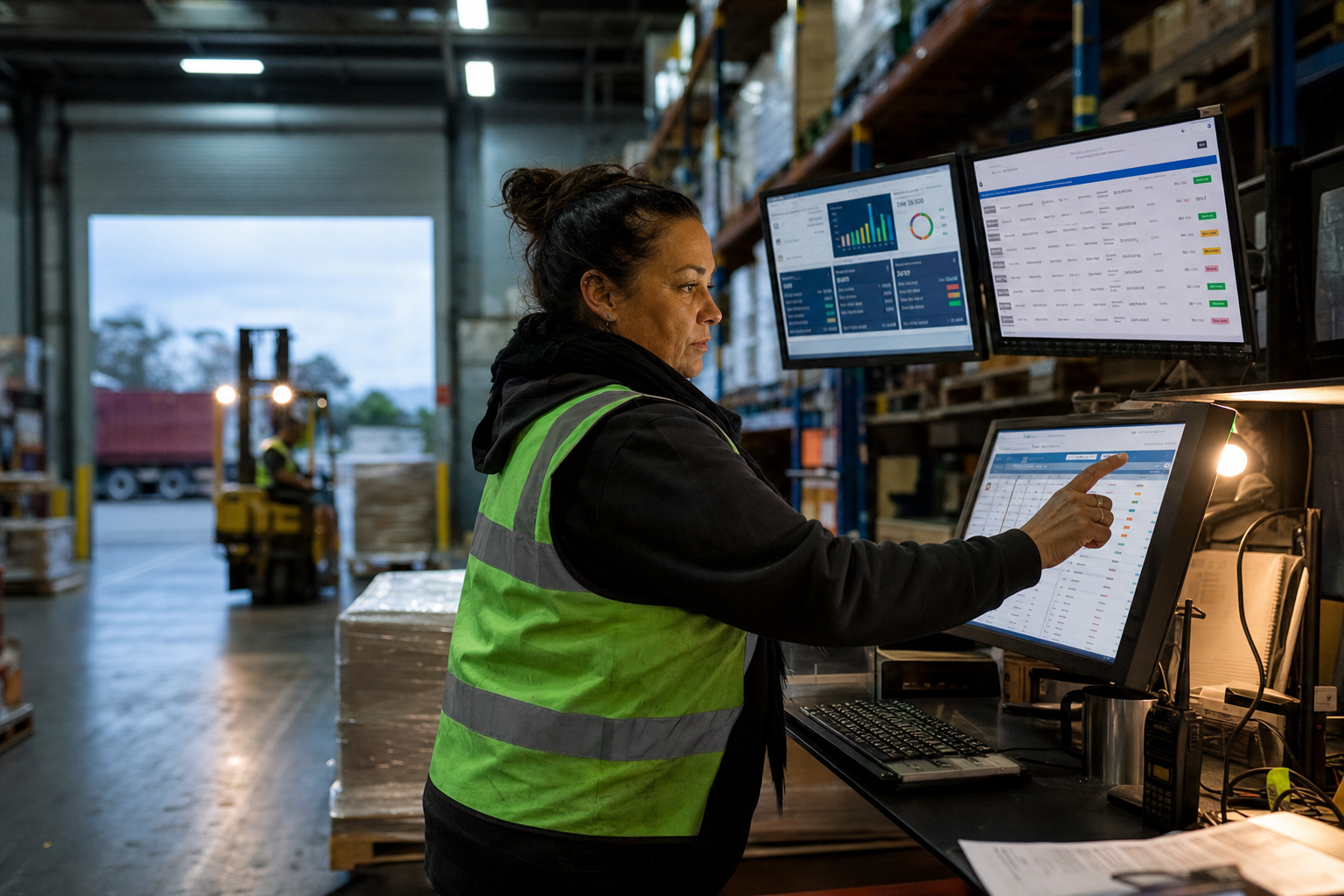
Data Governance for Logistics AI: Getting the Foundations Right
Data governance provides the framework for accurate, accessible, and secure logistics data essential for AI success. This guide covers practical data quality, ownership, cataloguing, and Australian Privacy Act compliance requirements for logistics operators.

Microservices vs Modular Monolith: Choosing the Right Architecture
Not every application needs microservices. For many mid-market companies, a modular monolith delivers clean architecture benefits without distributed systems complexity. Here's how to choose the right approach for your team in 2026.

Vector Database Guide: Pinecone vs Weaviate vs pgvector
Compare Pinecone, Weaviate, and pgvector for Australian AI applications. Practical guidance on choosing the right vector database for RAG systems, data sovereignty, and scaling requirements.

Cloud Migration Strategy for Australian Mid-Market Businesses
Cloud migration for Australian mid-market companies requires strategic alignment with business objectives, not just technical provider comparisons. Focus on building foundations that enable future growth while managing risk through phased implementation.
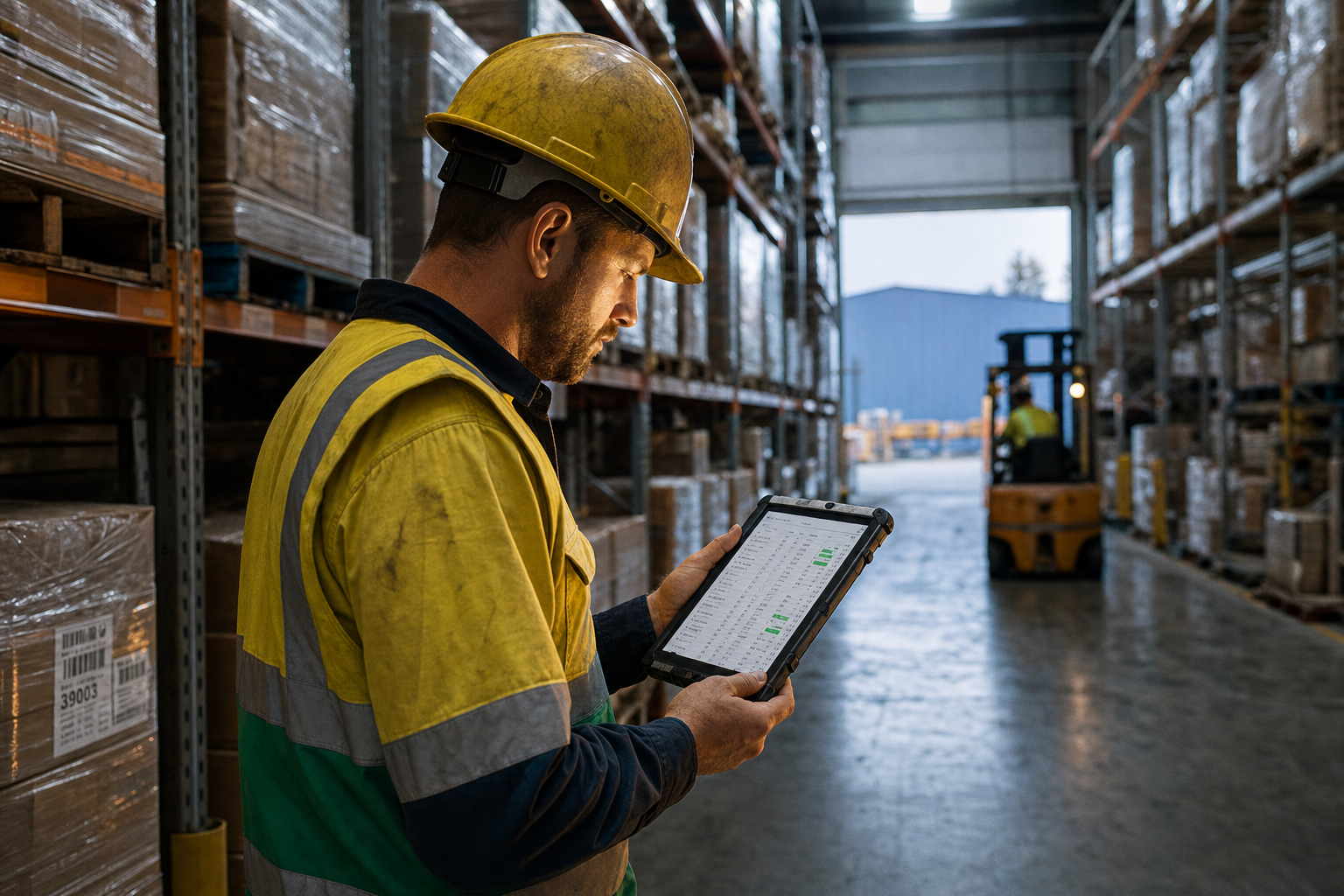
Inventory Anomaly Detection: AI for Stock Accuracy
AI-powered inventory anomaly detection identifies discrepancies between recorded and actual stock levels by analysing transaction patterns and movement history. This technology helps Australian logistics operators catch phantom stock, shrinkage, and data entry errors before they impact customer fulfilment.
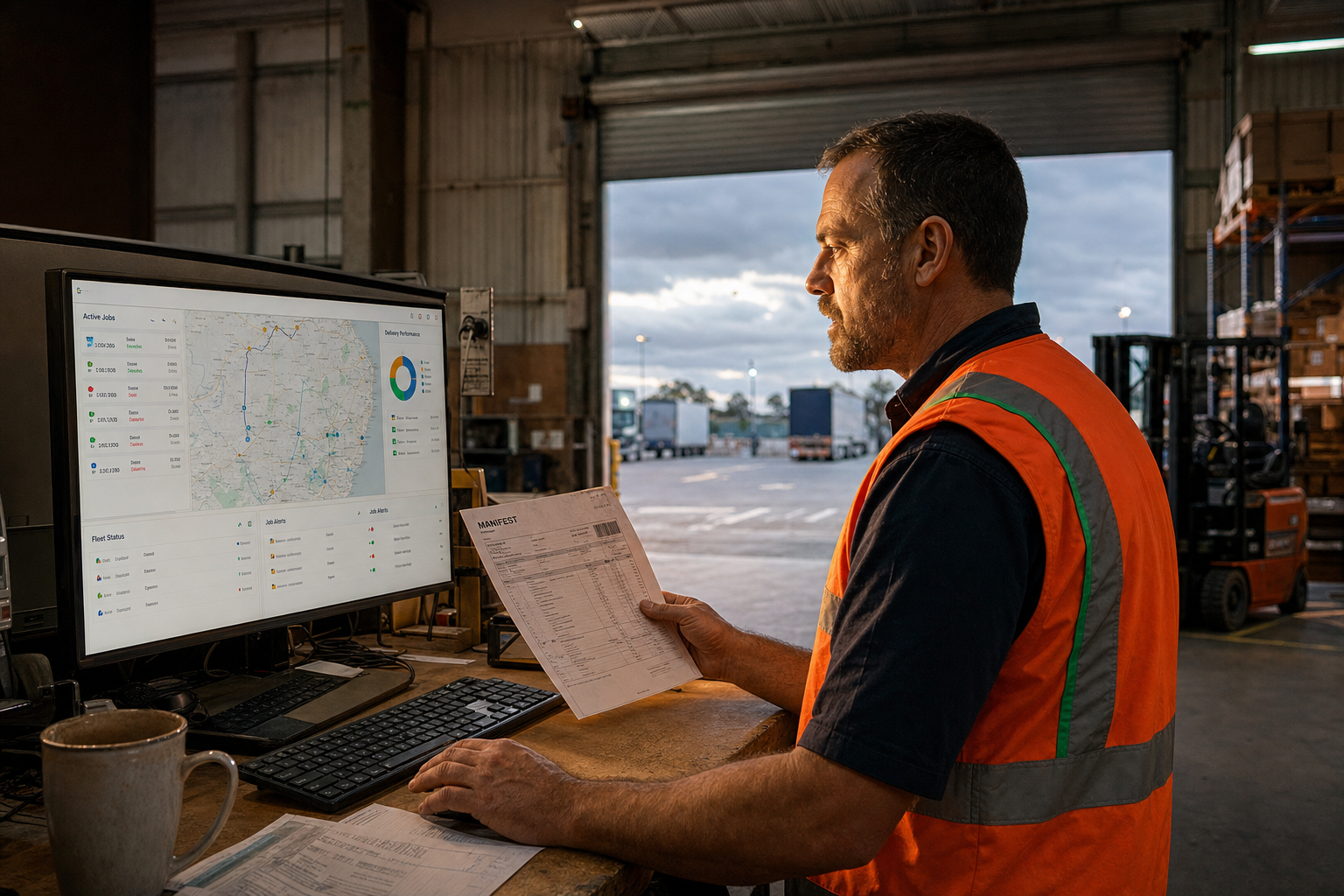
Total Cost of Ownership: AI-Powered vs Manual Logistics Operations
Mid-market Australian logistics operators must weigh the total cost of ownership between AI-powered and manual systems. Understanding the long-term financial implications helps operators make informed decisions about technology investment.

API-First Architecture: Why It Matters for AI Readiness
API-first architecture creates the foundation for seamless AI integration by making business data programmatically accessible. Learn practical patterns for retrofitting APIs onto legacy systems and designing interfaces that scale with AI demands.