Insights
AI, logistics, and digital transformation for Australian operators.
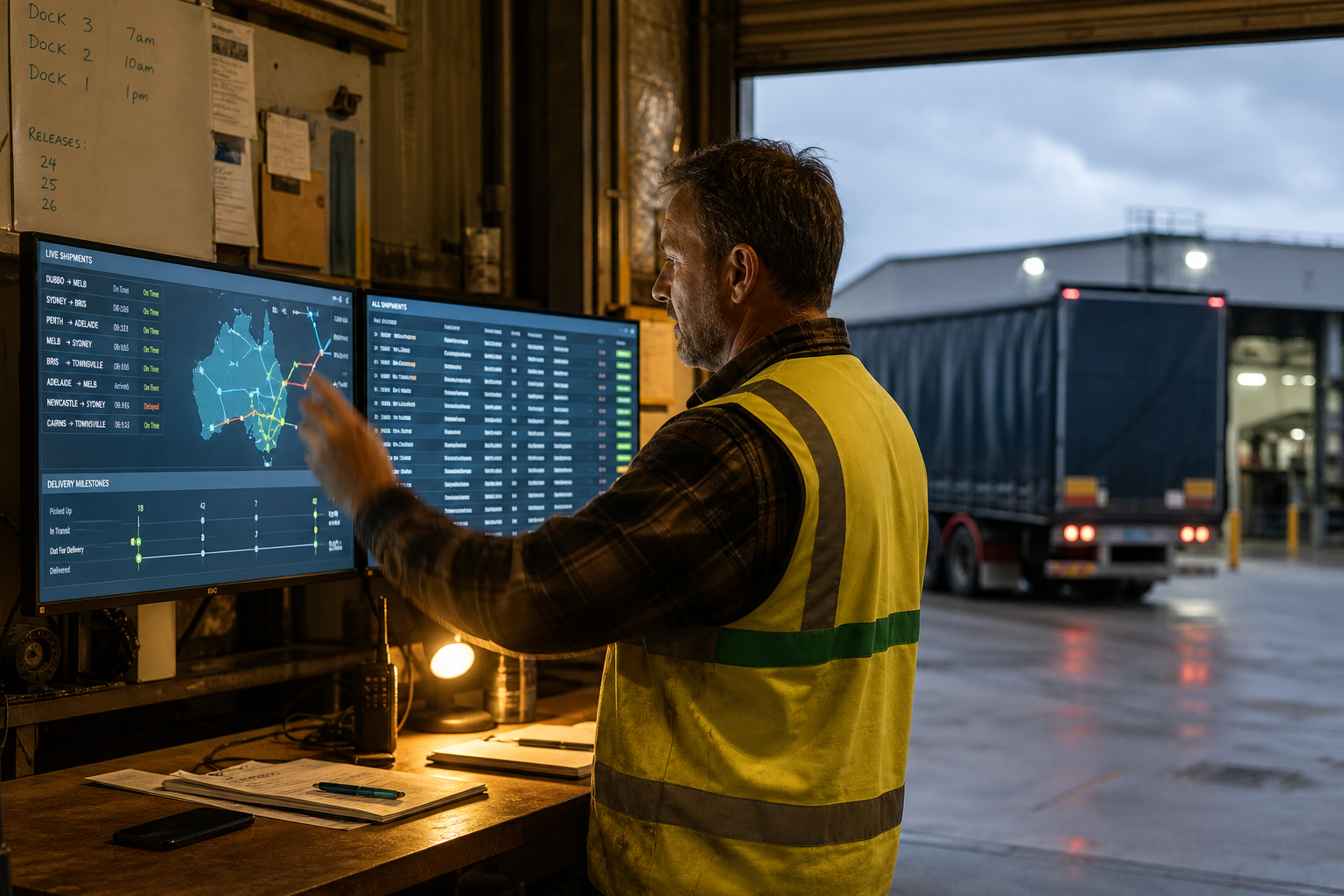
Event-Driven Architecture for Freight Operations
Event-driven architecture transforms freight operations by enabling real-time responses to shipments, deliveries, and capacity changes. Australian logistics companies are adopting these patterns to meet customer demands for immediate visibility.

Software Architecture Review: Essential Questions for Business Leaders
Learn how to assess whether your software architecture supports or constrains business growth. Essential questions and frameworks for evaluating development velocity, scalability, and modernisation needs.
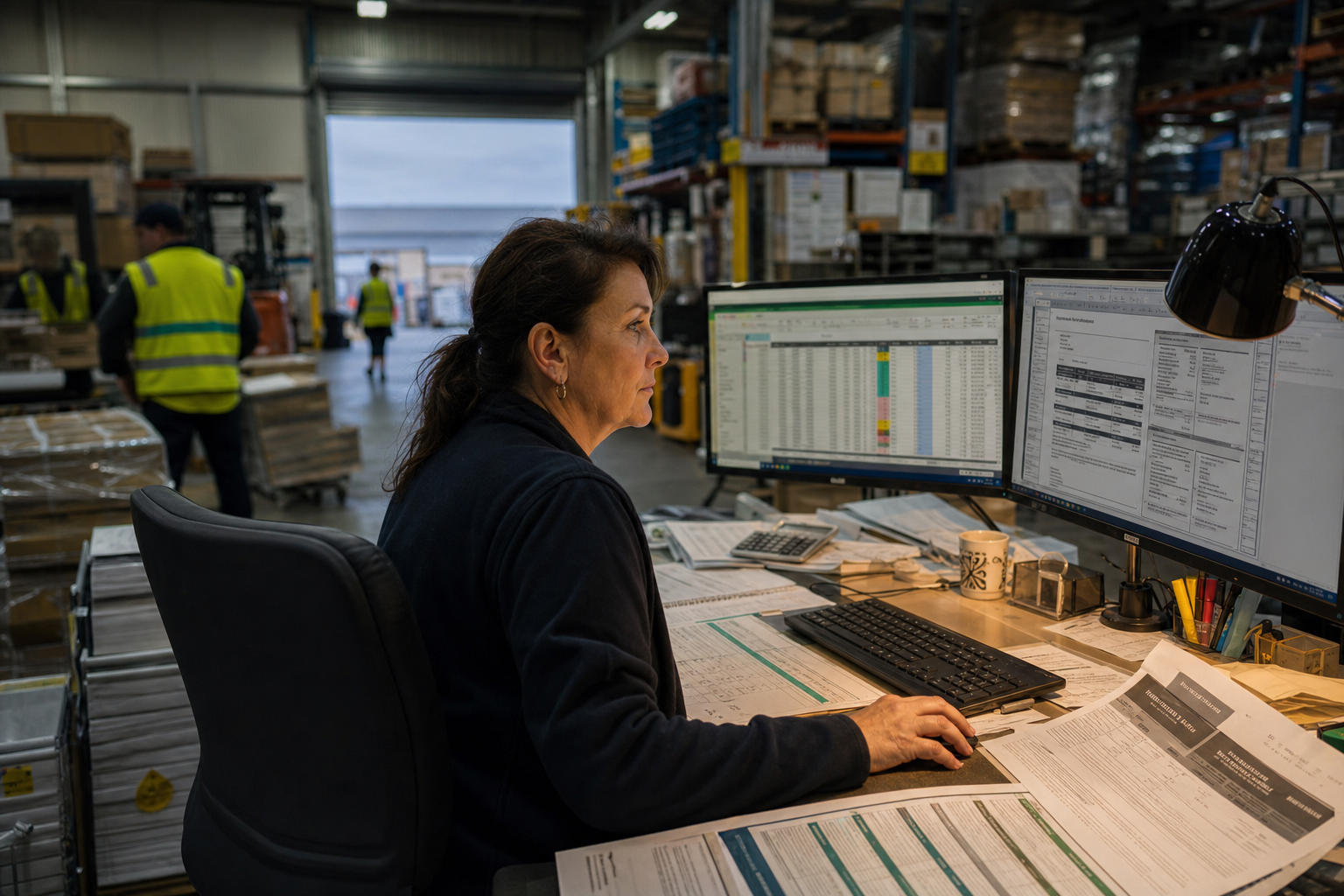
Automated Rate Card Extraction and Comparison with AI
AI-powered rate card extraction transforms freight procurement by automatically converting carrier PDFs and emails into structured data for systematic comparison. This eliminates manual transcription and enables automated benchmarking across carriers.
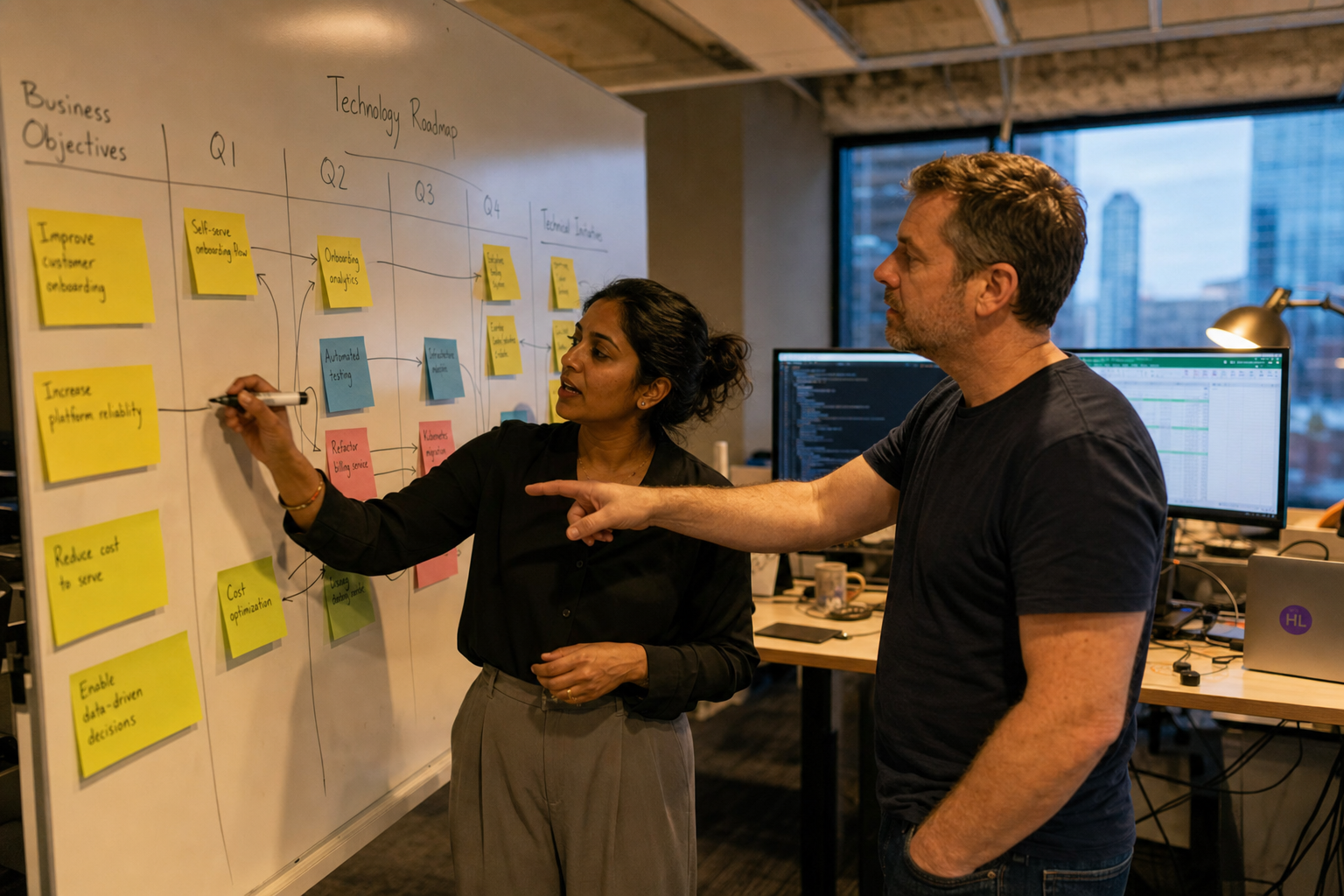
Technology Roadmap Planning: Aligning Tech with Business Goals
A technology roadmap bridges business strategy and engineering execution. Learn how to build roadmaps that translate business objectives into technical initiatives with clear success metrics.
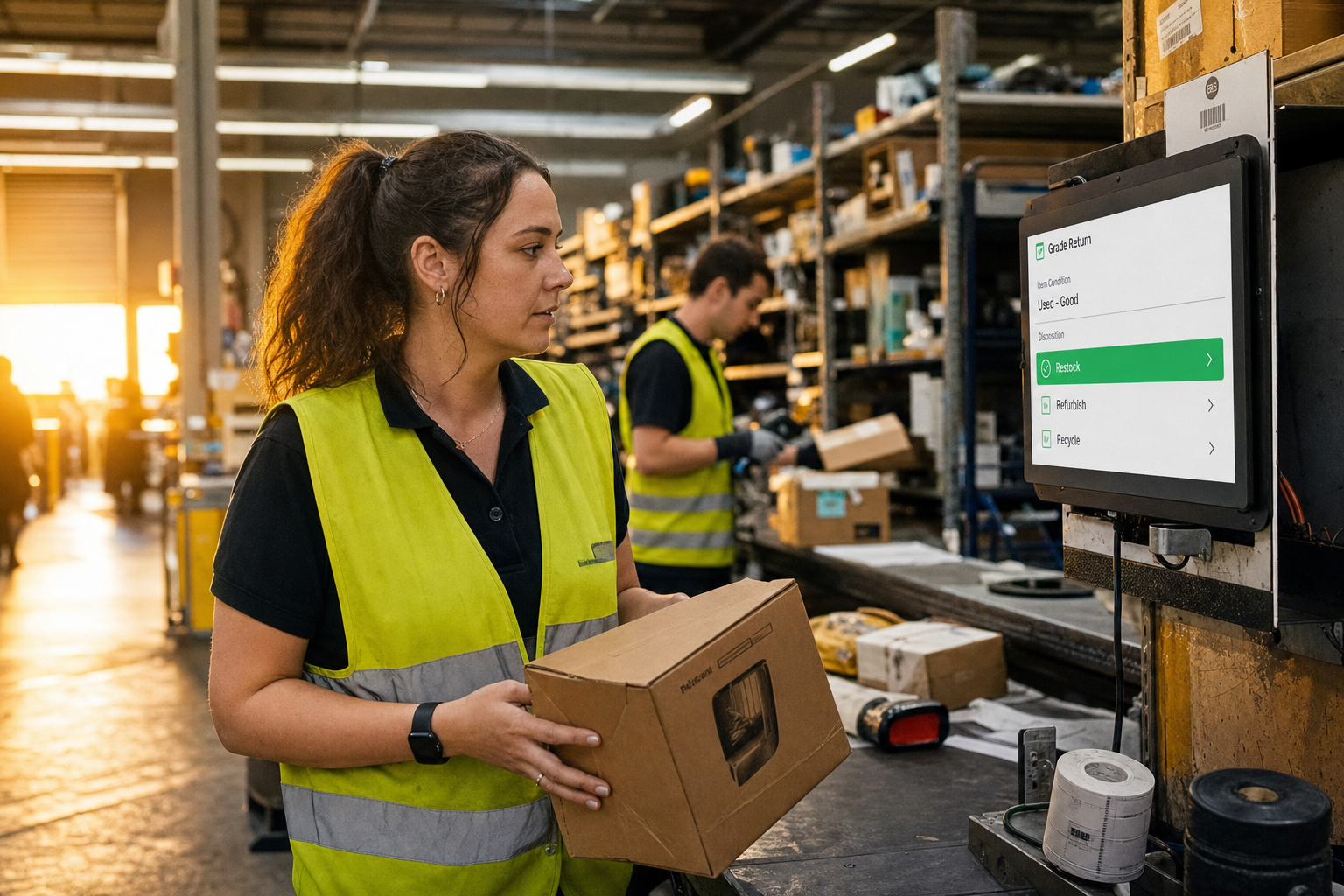
AI for Returns Processing: Turning Reverse Logistics into Value
Returns processing represents a significant cost centre for Australian logistics operators, but AI is transforming reverse logistics into value creation. Automated inspection, intelligent disposition routing, and predictive refurbishment decisions are helping warehouses maximise value recovery from returned goods.
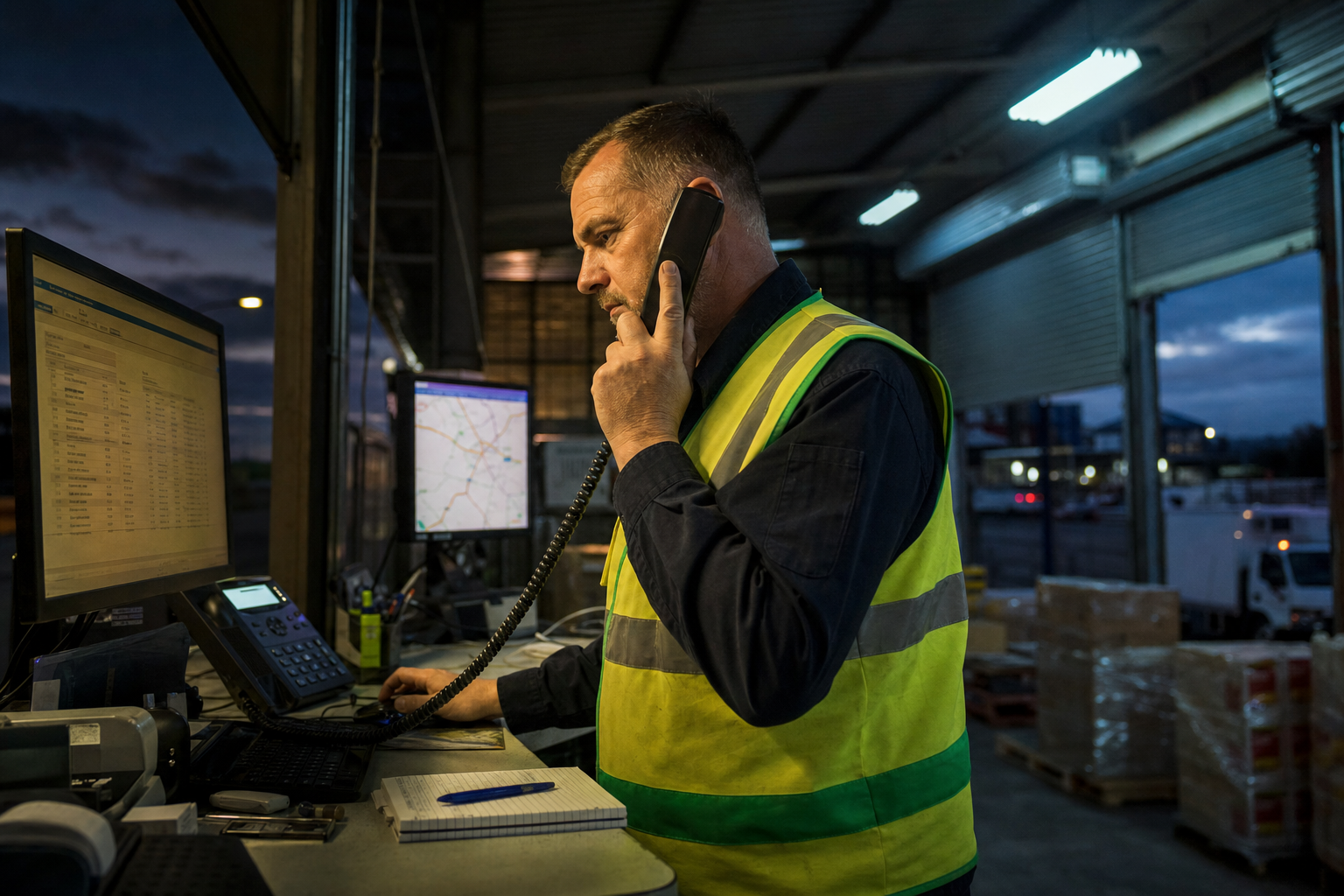
After-Hours Call Triage: How AI Keeps Logistics Running 24/7
AI voice agents are transforming after-hours logistics operations by intelligently triaging calls, routing emergencies to on-call staff, and capturing detailed messages for morning follow-up. Learn how smart call triage keeps your operations running 24/7.
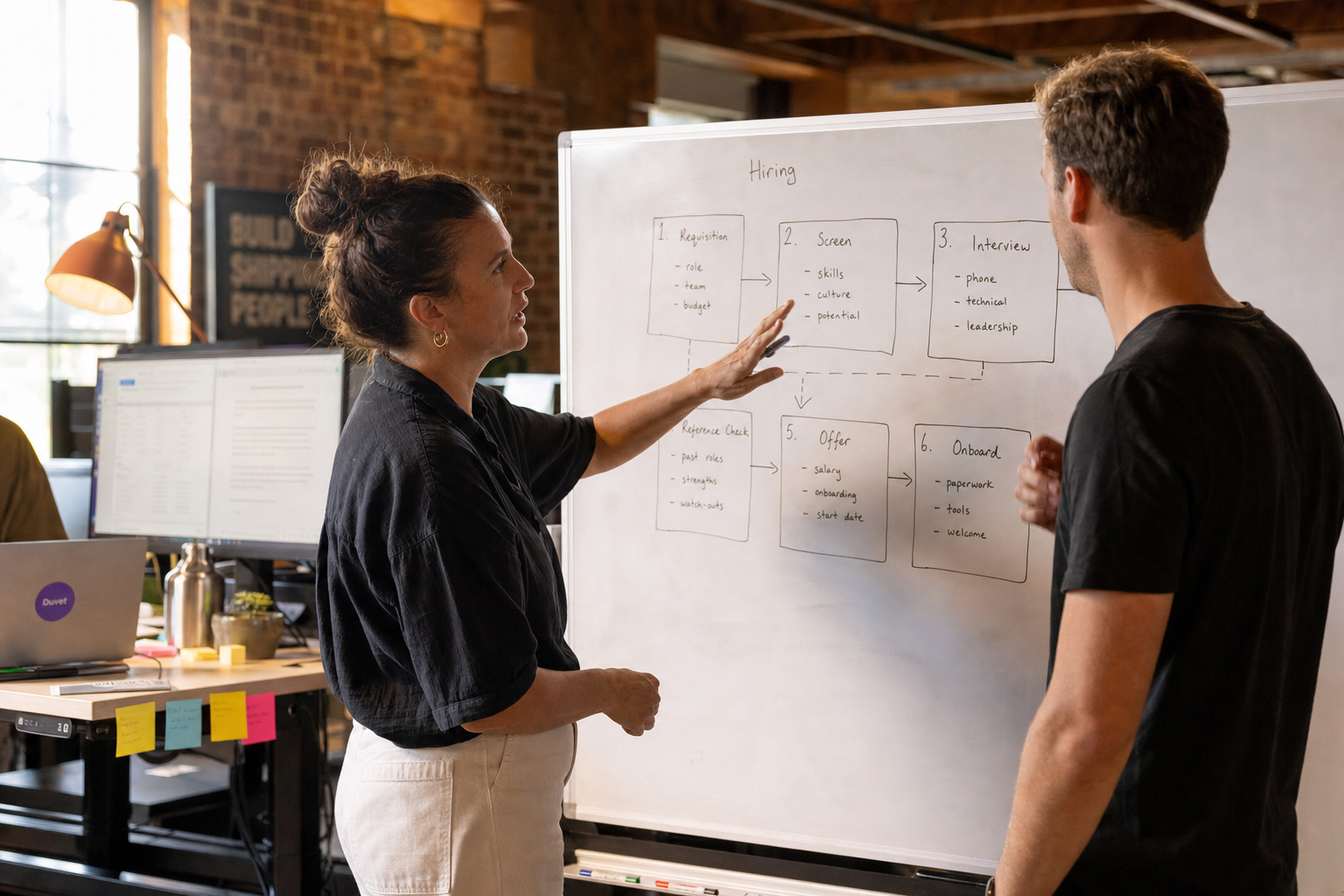
Building a Technology Team from Scratch: A Founder's Guide
Building your first technology team is critical for startup success. This guide covers hiring sequence, team structure, build vs outsource decisions, and establishing the right culture from day one.
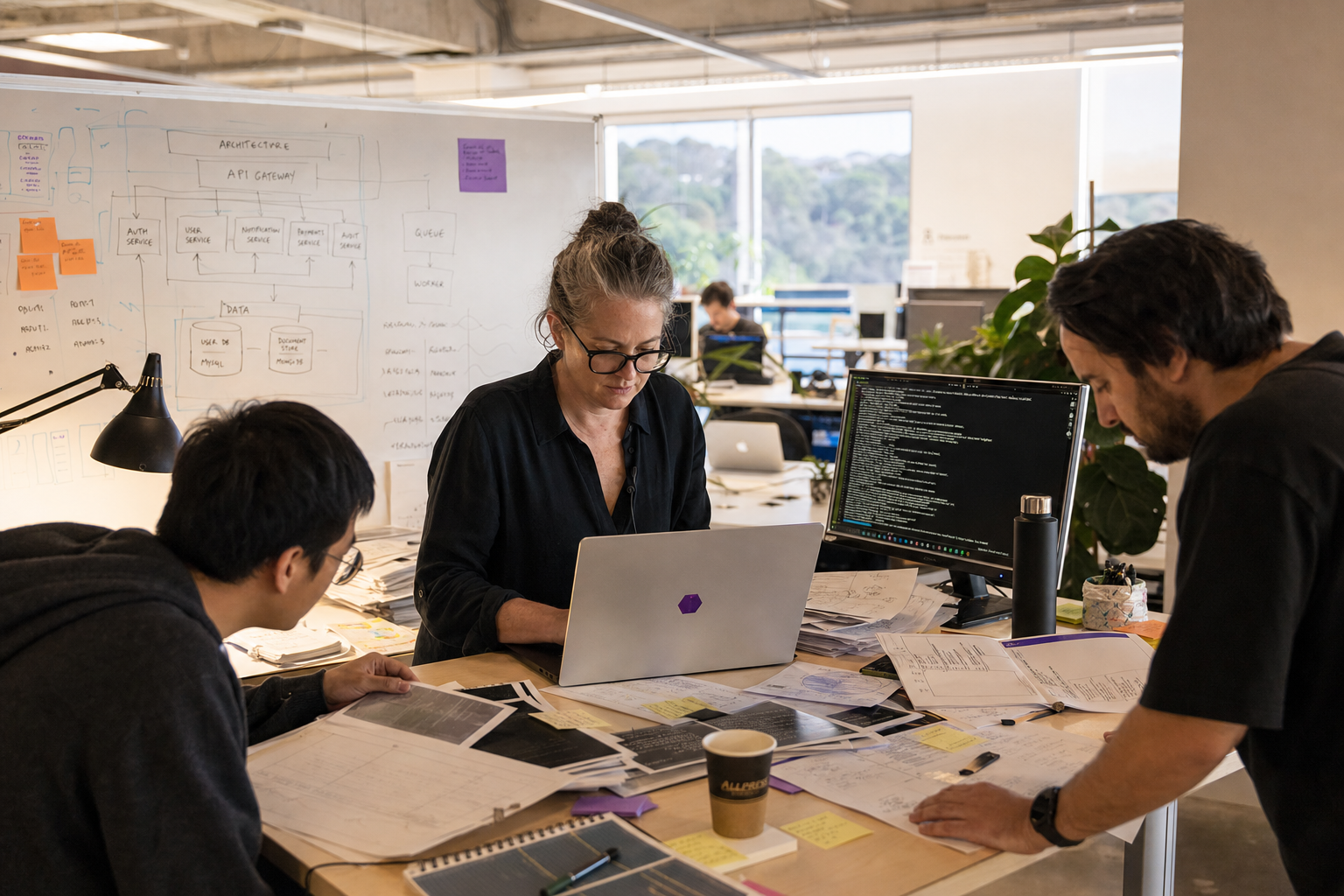
Technology Due Diligence for Software Company Acquisitions
Technology due diligence determines whether a software company's technical assets support acquisition goals. Poor technical assessment can turn promising deals into expensive integration challenges.
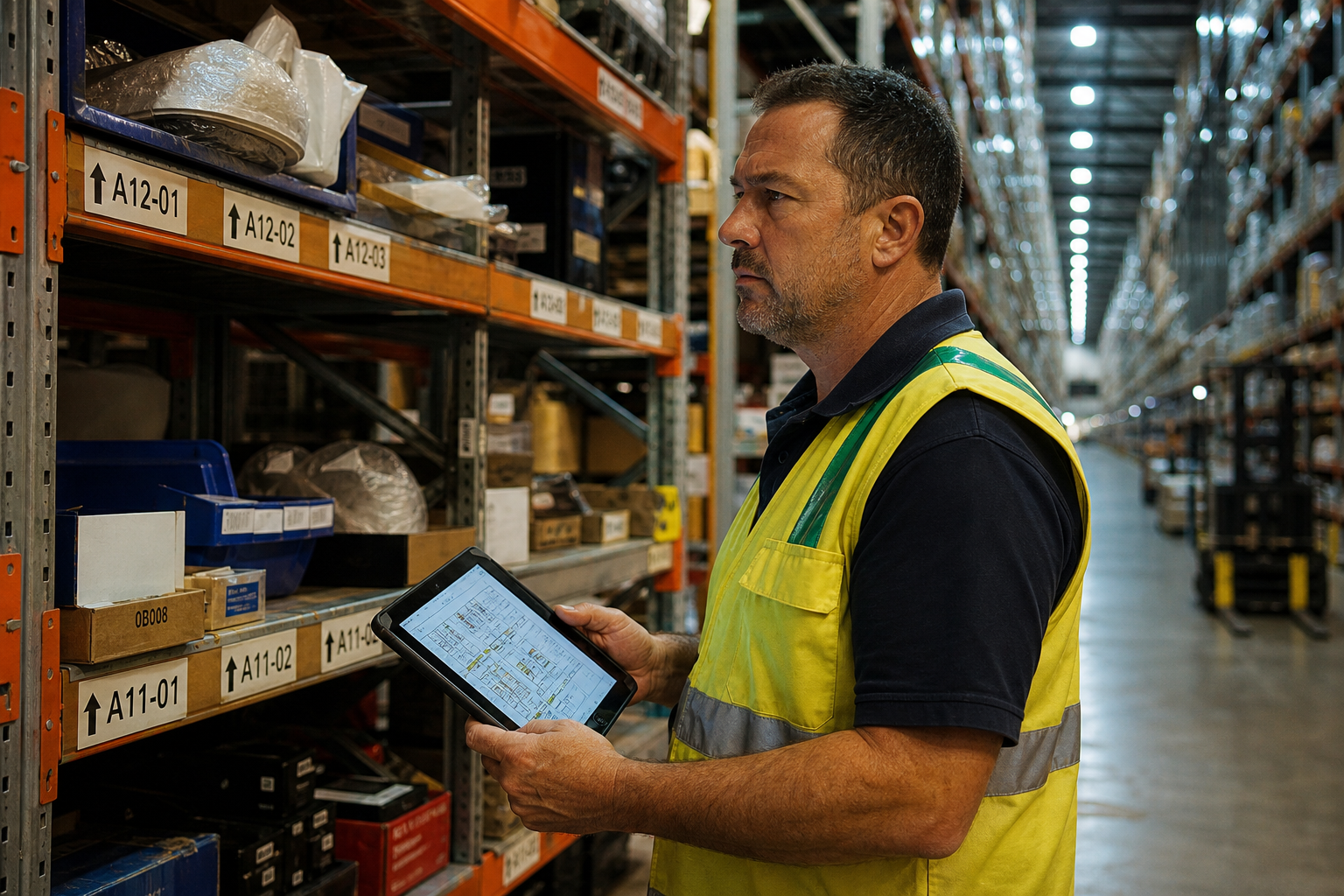
Demand-Driven Slotting: Using AI to Optimise Warehouse Storage
Demand-driven slotting uses AI to continuously optimise product placement based on real demand patterns, velocity data, and seasonal trends. This approach moves beyond static ABC analysis to create dynamic storage strategies that reduce pick times and maximise warehouse throughput.